

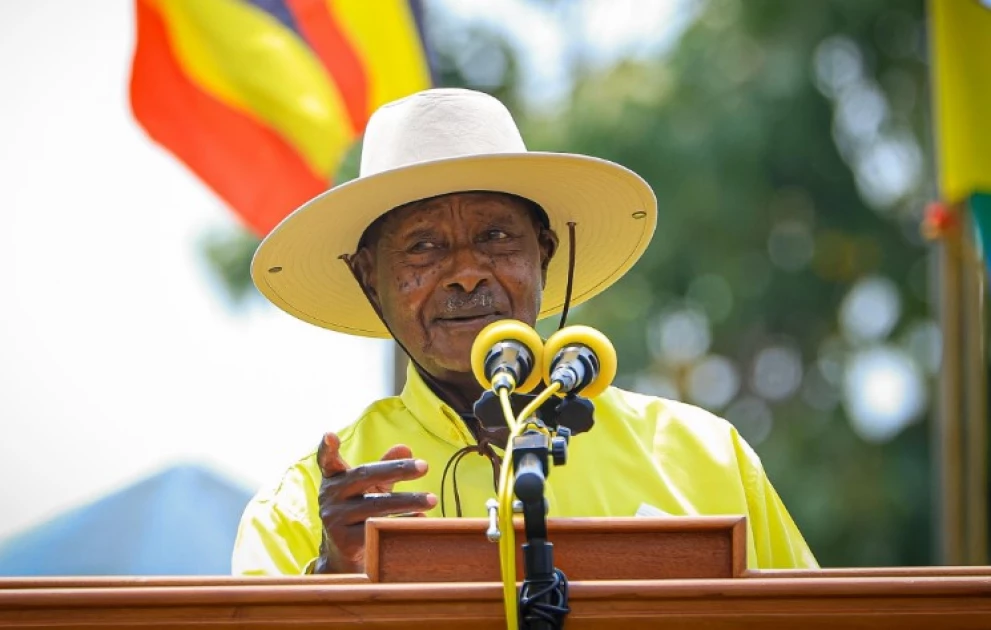
Kampala, Uganda – The polls closed on Thursday after a chaotic election day across Uganda, marked by long delays and an internet blackout, as voters cast ballots under intense scrutiny. President Yoweri Museveni, in power since 1986, is seeking a seventh consecutive term in office, but his main challenger, pop star-turned-politician Bobi Wine, has raised concerns about potential election irregularities.
Museveni, widely expected to win due to his strong control over the state and security apparatus, has downplayed the idea of an upset victory. However, Wine and his supporters, many of whom gathered in opposition strongholds like Kampala, accused the government of facilitating electoral fraud. With the opposition’s hopefuls continuing their vocal resistance, tension remains high as Ugandans await the official results in the coming days.
Delays and Malfunctions: Voting Under Scrutiny
Voting on election day was plagued by delays, particularly due to technical issues with biometric voter verification machines and late arrivals of ballot boxes. These problems were exacerbated by an internet shutdown imposed by the government earlier in the week. The suspension was explained as a preventive measure against misinformation and election-related violence, though it raised concerns about transparency.
Wine, after casting his vote, claimed that the delays and technical issues were part of a deliberate strategy to facilitate “rigging” by the ruling government. He urged Ugandans to resist such actions and vowed to challenge the results if necessary. “We are holding elections in the dark,” Wine told reporters, highlighting the challenges opposition supporters faced.
Despite the frustrations and the heavy police presence throughout the day, election day passed peacefully, with no significant reports of violence. The Ugandan Red Cross, which had been deployed nationwide, confirmed no major incidents of unrest.
Museveni Acknowledges Voting Issues
Even Museveni, whose party has held power for over three decades, experienced difficulties with the biometric system. The president shared his own challenges at the polling station, recounting how his thumbprint was rejected by the machine several times before his facial scan was successfully used to cast his ballot.
The president, who has overseen both economic growth and widespread corruption during his long tenure, continues to present himself as the stabilizing force in Uganda. His supporters praise him for bringing peace to a country once marred by internal conflict. However, critics point to his increasingly authoritarian methods and suppression of opposition figures.
A Heated Election: Internet Blackout and Repression
The internet blackout has been one of the most contentious issues during this election. While the government justifies it as a means to combat false information, human rights organizations have condemned the move, describing it as a tactic to suppress dissent and limit transparency. The shutdown has also impacted election monitors and made it harder for international observers to verify the electoral process in real time.
Meanwhile, Bobi Wine’s campaign has been marked by police crackdowns, with numerous arrests of his supporters. Wine, who has been described as a symbol of youthful resistance, called the election a “war” and labeled Museveni as a “military dictator” due to his heavy reliance on the armed forces.
The Path Ahead: What’s Next for Uganda?
As Uganda eagerly awaits the election results, which are due within 48 hours of polling closing, the country is watching closely for signs of how the political landscape may shift. Museveni, having navigated both domestic and international pressures throughout his rule, faces growing calls for political renewal, especially as his 40 years in power raises concerns about democratic stagnation.
At the same time, Uganda’s political future remains uncertain, with the opposition demanding more democratic reforms and transparency in the electoral system. As the results trickle in, the international community and Ugandans alike are paying close attention to the legitimacy of this pivotal election.


