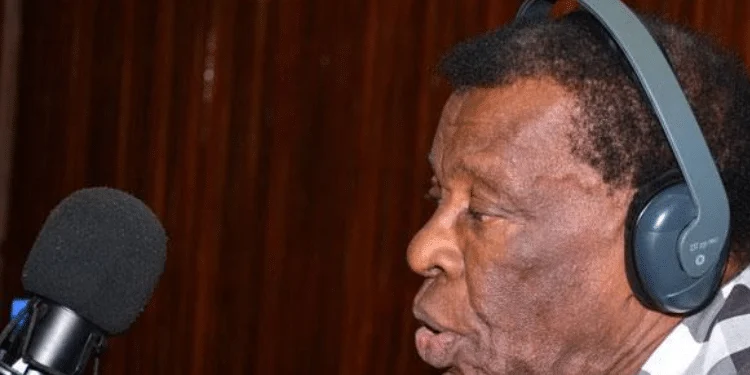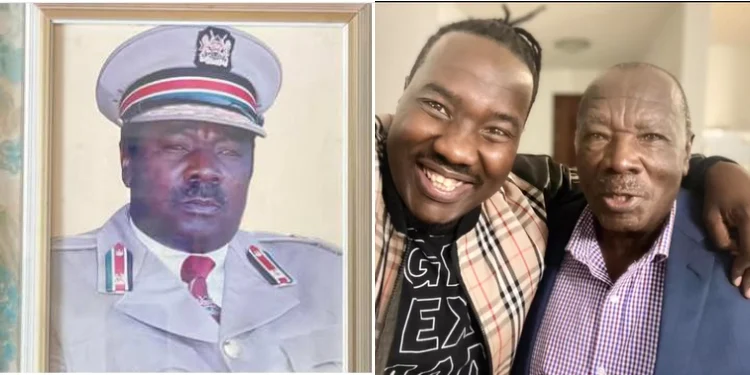

Leonard Mambo Mbotela remains one of the most recognizable voices in Kenya’s broadcasting history. For decades, Leonard Mambo Mbotela shaped public discourse through radio and television, becoming a fixture in homes across the country. His calm tone, distinctive delivery and cultural commentary earned him a place among Kenya’s media pioneers.
Born in 1940 in Freetown, Mombasa, Leonard Mambo Mbotela grew up during a period of transition in Kenya’s political and social landscape. As the first of eight children, he was raised in a disciplined household influenced by education and music. His father, James Mbotela, was a teacher and choirmaster, while his mother, Aida Mbotela, worked with Maendeleo ya Wanawake. This background cultivated both structure and creativity in his early years.
Over time, Leonard Mambo Mbotela became synonymous with national broadcasting. From football commentary to civic education programming, his career mirrored the growth of Kenya’s state media institutions.
Education Background
Leonard Mambo Mbotela attended Kitui High School for his secondary education, one of Kenya’s respected institutions. Although he did not pursue a formal university degree in broadcasting, his professional training developed through practical experience.
His interest in media was sparked by listening to established broadcasters such as Simon D’Souza and Steven Kumu Joho. Their style and command of language inspired him to pursue a similar path.
In 1964, he joined Voice of Kenya, later renamed the Kenya Broadcasting Corporation. At the time, broadcasting training was largely hands-on. Leonard Mambo Mbotela immersed himself in studio work, learning production, announcing and live reporting through experience rather than formal coursework.
Early Career and Rise in Broadcasting
Before joining Voice of Kenya, Leonard Mambo Mbotela had brief stints at Kenya Weekly News and the East African Standard. These early roles sharpened his journalism skills and introduced him to newsroom operations.
His move to Voice of Kenya in 1964 marked a turning point. Starting as a program assistant, he gradually took on more visible roles. By 1966, he launched “Je, Huu ni Ungwana?” a program designed to address social etiquette and moral conduct through storytelling and commentary.
The show resonated with audiences and became one of Kenya’s longest running programs. Initially aired on radio, it later transitioned to television. Through it, Leonard Mambo Mbotela helped shape conversations about personal responsibility and social values.
National Moments and Historic Broadcasts
One of the defining moments in Leonard Mambo Mbotela’s career occurred during the attempted coup of 1982. Amid uncertainty and tension, he provided live commentary from the broadcasting station. His composed reporting during that crisis reinforced his credibility and calm authority on air.
Between 1984 and 1991, he served at the Presidential Press Unit. This period placed him in close proximity to national leadership and broadened his exposure to state communication strategy. Afterward, he returned to KBC, where he continued as a producer and announcer.
Throughout his tenure, Leonard Mambo Mbotela also became known for live football commentary. His energetic narration of matches brought stadium excitement into Kenyan living rooms.
Family Life and Background
Leonard Mambo Mbotela was the eldest of eight children. His father’s role as a teacher and church choirmaster influenced his discipline and love for performance. The family environment valued both education and music, which shaped his early interests.
His father reportedly had associations with early political leaders, reflecting the family’s proximity to Kenya’s formative years. Mbotela’s mother contributed to community development through her work with women’s organizations.
Leonard Mambo Mbotela was married, though he maintained privacy regarding his spouse and children. He consistently separated his professional life from his family matters.
Passion for Music
Beyond broadcasting, Leonard Mambo Mbotela nurtured a passion for music. He performed as a vocalist during social events and club gatherings in Nairobi. This musical interest complemented his media persona, reflecting the influence of his father’s choir leadership.
Music and broadcasting often intersected in his life, reinforcing his connection to audiences beyond news and commentary.
Age and Later Years
Born in 1940, Leonard Mambo Mbotela spent over six decades contributing to Kenya’s media landscape. His longevity in broadcasting allowed him to witness and report on major political and social milestones.
He passed away on February 7, 2025. His death marked the end of an era in Kenyan broadcasting, as colleagues and listeners reflected on his enduring voice and public service.
Legacy in Kenyan Media
Leonard Mambo Mbotela’s legacy rests not only in longevity but also in cultural impact. Through “Je, Huu ni Ungwana?” he promoted civic responsibility. Through live commentary, he captured national emotion. Through calm reporting during moments of crisis, he reinforced trust in public broadcasting.
As Kenya’s media environment evolves, his career remains a reference point for professionalism and resilience. Leonard Mambo Mbotela’s voice, once a daily presence across the airwaves, continues to symbolize the formative years of Kenyan broadcasting.