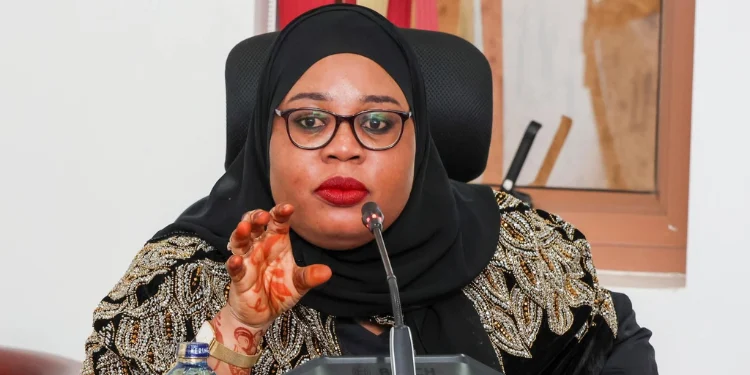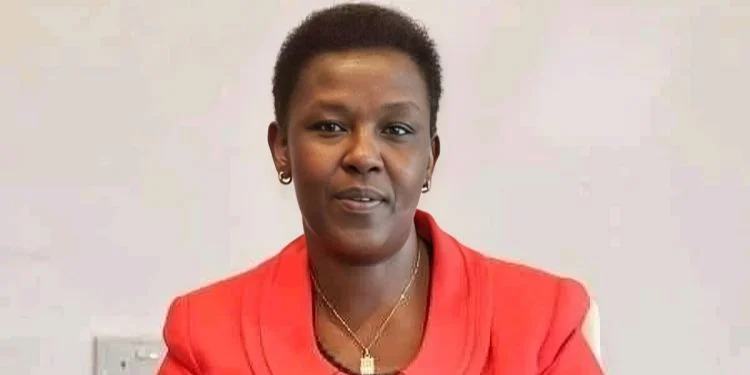

Miraj Abdillahi Abdulrahman is a nominated Senator in Kenya’s 13th Parliament representing women under the United Democratic Alliance. At 34 years old, Miraj Abdillahi has built a public profile that combines grassroots activism, lived experience and legislative engagement. Her path to national leadership reflects resilience shaped by personal challenges and sustained community involvement.
Born and raised in Mombasa County, Miraj Abdillahi entered politics after years of informal business activity and civic advocacy. Her story stands out within Kenya’s political landscape because it bridges informal sector entrepreneurship with parliamentary leadership. While many politicians rise through established political networks, her trajectory began at the community level.
Understanding the Miraj Abdillahi profile requires examining her educational background, early struggles, professional engagements and eventual nomination to the Senate. Her journey highlights how grassroots leadership can evolve into national representation.
Early Life and Educational Background
Childhood in Kisauni
Miraj Abdillahi Abdulrahman was born in 1991 in Barsheba, Kisauni Constituency, Mombasa County. Raised primarily by her mother after her parents separated, she grew up in modest circumstances.
Her upbringing in coastal Kenya shaped her understanding of economic hardship and social inequality. These early experiences later influenced her advocacy for teenage mothers and marginalized communities.
Primary and Secondary Education
Miraj attended Bondeni Primary School in Mombasa from 1999 to 2006, completing her Kenya Certificate of Primary Education. In 2007, she joined Coast Girls High School for her secondary studies.
During her time in secondary school, she faced personal challenges, including leaving school temporarily in 2009 due to an early pregnancy. Despite this setback, she later resumed her studies and completed her Kenya Certificate of Secondary Education in 2010.
Her return to school marked a turning point, reinforcing her belief in education as a tool for empowerment.
Professional Career and Community Engagement
Informal Business Ventures
After completing secondary education, Miraj Abdillahi entered small scale business to support herself and her family. Between 2011 and 2019, she operated informal food vending enterprises in Mombasa, including selling viazi karai and porridge.
These ventures provided financial stability while strengthening her connection to local communities. Working in the informal sector gave her direct insight into the economic struggles faced by women and youth in urban settlements.
Founding Young Girls Ambassadors
In 2014, she founded Young Girls Ambassadors, a community initiative focused on mentoring teenage girls. The program addressed early marriages, teenage pregnancies and school dropout rates.
Through mentorship sessions and outreach activities, the initiative aimed to offer guidance to girls facing similar challenges to those she had experienced. This work marked her transition from personal resilience to structured advocacy.
Governance Experience and Liaison Work
Miraj gained exposure to governance in 2013 when she began working as a personal assistant to nominated Senator Emma Mbura. She served in this role until 2017, learning legislative processes and constituency engagement strategies.
Between 2020 and 2021, she worked as a Liaison Officer at Buxton Point Ltd. In that role, she coordinated community engagement during housing and urban renewal projects in Mombasa. This experience expanded her understanding of urban development and public communication.
Political Career and Senate Leadership
Early Political Attempts
Miraj Abdillahi first contested elective office in 2013 when she ran for the Tononoka Ward MCA seat on a United Democratic Forum ticket. Although she did not win, the campaign introduced her to grassroots political mobilization.
In 2017, she sought the Mombasa Woman Representative position under the Jubilee Party but did not secure a place on the ballot. These early attempts shaped her political strategy and network building.
Nomination to the Senate
Ahead of the 2022 general election, Miraj aligned with the United Democratic Alliance. In July 2022, the party nominated her to the Senate to represent women and marginalized groups.
She was sworn in on 16 August 2022 as a Nominated Senator in the 13th Parliament. Her nomination marked the culmination of nearly a decade of community activism and political engagement.
Committee Roles and Legislative Work
Within the Senate, Miraj Abdillahi was elected Vice Chairperson of the Committee on Information, Communication and Technology. She also serves on the Committees on Roads, Transportation and Housing, as well as Labour and Social Welfare.
In 2023, she sponsored the Care and Protection of Child Parents Bill, which addresses the rights and welfare of teenage mothers. She also sponsored the County Hall of Fame Bill, designed to recognize outstanding contributions by citizens at the county level.
Her legislative initiatives reflect her background in youth advocacy and community engagement.
Family and Personal Identity
Public information about Miraj Abdillahi’s family life remains limited beyond her early upbringing. She frequently references her mother’s influence in shaping her resilience and work ethic.
Her identity as a young woman from the informal sector who rose to national leadership forms a central narrative of her public persona.
Net Worth and Senatorial Earnings
Miraj Abdillahi’s net worth has not been publicly disclosed. No official financial records or declarations have provided verified figures.
As a nominated Senator, she earns a gross monthly salary of approximately Ksh739,600. This includes a basic salary of Ksh443,760, a house allowance of Ksh150,000 and a salary market adjustment of Ksh145,840.
She is also entitled to benefits such as an official vehicle or car maintenance allowance of Ksh356,525 per month, medical cover for herself and her dependents, and airtime allowance of up to Ksh20,000 monthly. Additional benefits include official residence provisions, security and travel allowances in line with Salaries and Remuneration Commission guidelines.
Retirement benefits include gratuity equivalent to 31 percent of annual pensionable earnings or contributions to a recognized pension scheme. Group life insurance coverage is valued at three times annual pensionable earnings.
From Informal Trade to National Leadership
The Miraj Abdillahi profile reflects a trajectory defined by resilience, community engagement and gradual political integration. Her journey from informal trade in Mombasa to Senate leadership illustrates the diversity of pathways into Kenyan politics.
Through advocacy for teenage mothers and legislative work focused on youth and social welfare, Miraj Abdillahi has positioned herself as a voice for marginalized communities. As her Senate career continues, her influence will likely be measured by how effectively grassroots priorities translate into national policy outcomes.