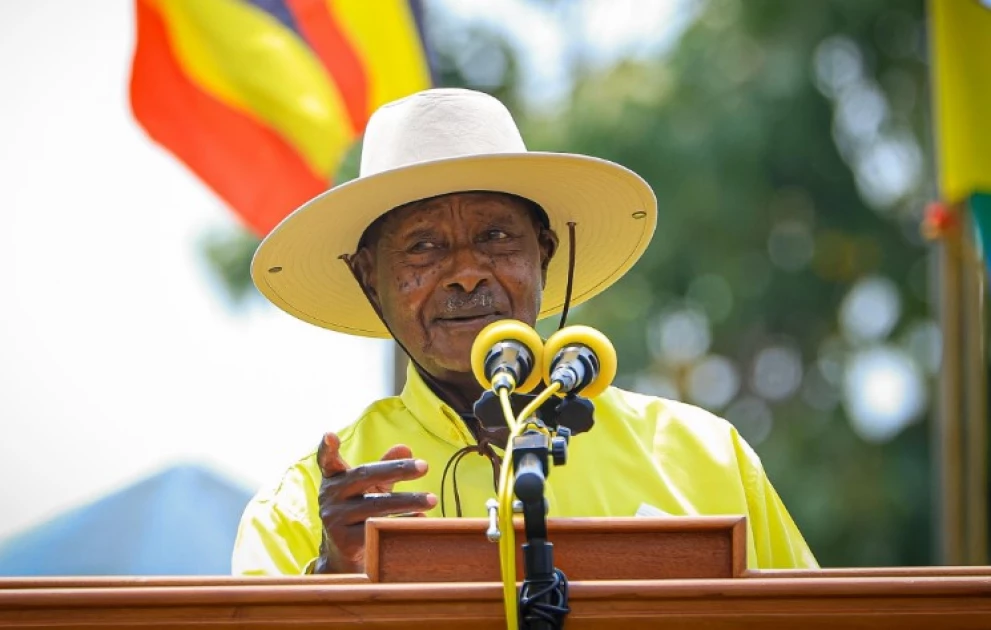


Kampala: Yoweri Museveni has been declared the winner of Uganda’s presidential election, securing another five-year term and extending his rule to nearly four decades. The announcement by the electoral authorities confirms a decisive victory but comes against a backdrop of strong opposition rejection, allegations of irregularities, and widespread security measures across the country.
According to official results, Museveni won with 72% of the vote, while his main challenger, Bobi Wine, secured 25%. Wine immediately rejected the outcome, describing the figures as fabricated and accusing authorities of ballot manipulation. He urged supporters to engage only in peaceful resistance, insisting that the vote did not reflect the will of the Ugandan people.
The Museveni victory reinforces his position as one of Africa’s longest-serving leaders. First taking power in 1986 after a rebel war, the 81-year-old has since won seven elections. During the campaign, he presented himself as the guarantor of stability in a country shaped by past conflict, while critics argued that his extended rule has weakened democratic institutions.
The election period was marked by violence and heavy security deployment. Opposition figures reported that dozens of people were killed in election-related incidents, although authorities have so far confirmed fewer fatalities. These conflicting accounts have been difficult to independently verify due to a nationwide internet shutdown imposed days before voting.
Government officials defended the internet blackout as a necessary step to curb misinformation and prevent unrest. However, the move drew sharp criticism from rights groups and the United Nations Human Rights Office, which described the restrictions as deeply concerning for transparency and civil liberties. Wine publicly demanded the immediate restoration of internet access, arguing that the shutdown undermined electoral accountability.
Tensions escalated further after Wine’s party claimed that security forces surrounded his residence in the capital. Police denied allegations of abduction but confirmed that movement around his home in Kampala was restricted, citing security concerns. Officials said such measures were intended to prevent gatherings that could trigger unrest.
Wine, a former pop star turned politician, has built his support base among young Ugandans, who make up a majority of the population. Throughout the campaign, he promised sweeping reforms and a renewed fight against corruption, themes that resonated strongly with urban youth and first-time voters.
Despite the presence of six other candidates, none secured more than 2% of the vote, underscoring the dominance of the two leading figures. Voter turnout stood at 52.5%, reflecting both political engagement and the impact of fear, restrictions, and logistical challenges during the polls.
As Museveni prepares to begin another term, Uganda faces a period of uncertainty. The disputed Museveni victory, combined with opposition anger and international scrutiny, is likely to shape the country’s political climate in the months ahead, testing both stability and democratic resilience.