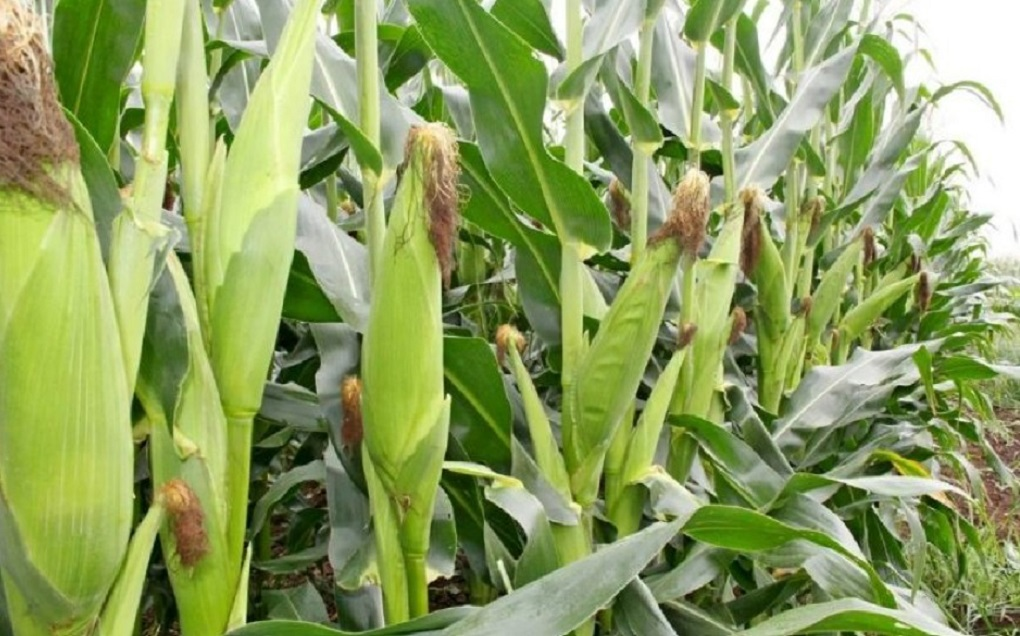


Maize farming in Kenya remains one of the most dependable and profitable agricultural activities. As the country’s top staple food, maize feeds millions daily and supports livelihoods across rural and urban areas. From ugali and githeri to animal feeds, maize demand is constant—making it a reliable crop for both smallholder and commercial farmers.
This practical guide breaks down maize farming in Kenya into clear, step-by-step sections to help you grow healthy crops and maximize profits.
Understanding Maize Farming in Kenya
Maize (corn) is grown nationwide, with varieties selected based on climate, soils, and altitude. Common options include:
- Hybrid maize for high yields
- Local varieties for resilience
- Katumani for dry and semi-arid areas
- Coast composite for coastal regions
With the right inputs and management, maize can deliver strong yields and steady income.
Best Ecological Conditions for Maize Farming in Kenya
Maize performs best under these conditions:
- Temperature: 15°C–30°C
- Rainfall: Well-distributed throughout the season
- Altitude: 100–2,900 meters above sea level
- Soils: Well-drained loam or alluvial soils
- Soil pH: 5.5–7.0
These factors support strong root development and full cob formation.
Land Preparation Tips for Maize Farmers
Prepare land early—before the rains:
- Deep ploughing to bury weeds and residues
- Weed control (mechanical or appropriate herbicides)
- Harrowing/levelling to create a fine tilth
- Fertility boost: Incorporate well-rotted manure or compost
At planting, apply DAP fertilizer to support early root growth.
Planting Maize the Right Way
- Timing: Plant immediately after the onset of rains
- Spacing: 90 cm between rows × 30 cm between plants
- Seed rate: 2 seeds per hole
- Fertilizer: 1 teaspoon of DAP per hole
Early planting gives maize a competitive advantage over weeds and pests.
Important Farm Practices for Better Yield
Thinning
At ~15 cm plant height, remove weaker seedlings to reduce competition.
Gapping
Replace missing plants early to ensure uniform stand and yield.
Top Dressing
After 2–3 weeks, apply CAN fertilizer to supply nitrogen for vigorous growth.
Weeding
Maintain a weed-free field to reduce competition and pest pressure.
Controlling Maize Pests and Diseases
Common Pests
- Aphids – sap-suckers that weaken plants
- Cutworms – cut seedlings at the base
- Stalk borers & fall armyworm – damage leaves and stems
Use integrated pest management (IPM): scouting, timely control, and recommended pesticides when necessary.
Major Diseases
- Northern leaf blight – grey streaks on leaves
- Maize smut – black galls on kernels
- Maize lethal necrosis (MLN) – severe viral disease
Prevention tips:
- Rotate maize with non-cereal crops
- Plant certified, disease-resistant seed
- Avoid continuous maize on the same land
The Maize Market in Kenya
Maize demand in Kenya is consistently high, often exceeding supply. Sales channels include:
- Flour millers
- Schools and institutions
- Hotels and restaurants
- Animal feed manufacturers
Beyond grain, cobs, stalks, and leaves can be sold or used for silage and livestock feed. Farmers who dry, store, and sell during off-season typically earn higher prices. Proper drying and storage reduce losses from mould and pests.
Final Takeaway
Maize farming in Kenya offers dependable returns when done right. By preparing land early, planting on time, applying the correct inputs, and managing pests and diseases, farmers can achieve strong yields. With rising food demand and stable markets, maize remains one of the best crops to grow for both food security and income.