


Kampala, the capital of Uganda, serves as the country’s economic engine and commercial nerve center. For entrepreneurs and investors exploring East Africa, understanding the Kampala business environment is essential. The city combines strong economic growth, a youthful workforce, and expanding infrastructure with regulatory reforms designed to improve ease of doing business.
Over the past decade, Kampala has experienced rapid urban expansion. New commercial buildings, residential developments, and infrastructure projects reflect growing economic activity. From small enterprises to multinational corporations, businesses in Kampala operate in a dynamic and evolving ecosystem.
In 2026, Kampala continues to benefit from Uganda’s projected GDP growth, increasing foreign investment, and expanding digital adoption. However, investors must balance opportunity with practical knowledge of regulations, infrastructure realities, and market conditions.
Economic Landscape and Market Size

The Kampala business environment is shaped by its role as Uganda’s largest urban market. With a rapidly growing population, the city generates strong demand for goods and services across sectors such as retail, finance, hospitality, healthcare, and education.
Kampala also serves as the administrative center for government ministries and regulatory agencies. This concentration of institutions supports corporate activity and facilitates interaction between private businesses and policymakers.
The informal sector remains significant, particularly in trade and small-scale services. While formal enterprises dominate corporate districts like Nakasero and Kololo, informal markets such as Owino contribute substantially to economic activity.
Business Registration and Regulatory Framework
Starting a business in Kampala has become more streamlined due to digital reforms. The Uganda Registration Services Bureau provides online platforms for company registration, reducing paperwork and processing times.
The Uganda Revenue Authority oversees taxation, including corporate income tax, VAT, and customs duties. Understanding tax obligations is crucial for compliance and long-term sustainability.
For investors seeking incentives, the Uganda Investment Authority offers guidance, licensing support, and access to industrial parks. Certain sectors may qualify for tax holidays or duty exemptions, particularly in manufacturing and export-oriented industries.
While reforms have improved efficiency, navigating regulatory procedures often requires local legal or consulting expertise to ensure full compliance.
Key Sectors Driving Growth
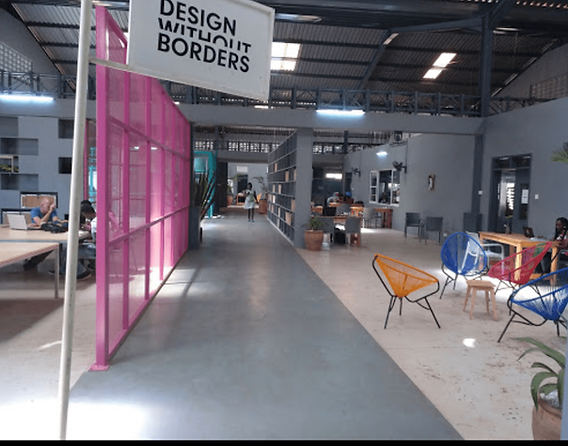
Several sectors define the strength of the Kampala business environment:
1. Services and Finance
Banking, telecommunications, and professional services are heavily concentrated in Kampala. Financial institutions headquartered in the city manage both domestic and regional operations.
2. Real Estate and Construction
Rapid urbanization drives demand for housing and commercial space. Mixed-use developments and high-rise office buildings continue to reshape the skyline.
3. Technology and Digital Services
Kampala’s tech ecosystem is expanding, with fintech startups and digital service providers gaining prominence. Increased mobile penetration supports digital payments and online commerce.
4. Oil and Energy Services
Although oil extraction occurs outside the capital, Kampala hosts administrative and financial offices linked to the energy sector. Anticipated oil production in 2026 strengthens related service industries.
Infrastructure and Connectivity

Infrastructure plays a critical role in shaping the Kampala business environment. Road upgrades and projects like the Kampala Flyover Road Project aim to reduce congestion and improve urban mobility.
The Entebbe Expressway connects Kampala to Entebbe International Airport, facilitating trade and business travel.
Despite improvements, traffic congestion remains a challenge. Businesses must plan logistics carefully to manage delays and transport costs.
Digital infrastructure has also improved significantly. Expanding broadband coverage and mobile connectivity enable e-commerce, digital banking, and remote work solutions.
Workforce and Demographics
Uganda has one of the youngest populations in Africa. Kampala benefits from a large, energetic workforce, including graduates from universities and vocational institutions.
However, skills gaps remain in specialized areas such as advanced technology and engineering. Businesses often invest in training programs to bridge these gaps.
Labor costs are generally competitive compared to regional peers, which can be attractive for investors seeking operational efficiency.
Challenges and Considerations
While the Kampala business environment offers strong growth potential, certain risks must be considered:
- Traffic congestion and infrastructure strain
- Bureaucratic processes that may require professional guidance
- Currency fluctuations affecting import costs
- Regulatory compliance requirements
Careful market research, financial planning, and engagement with local advisors can mitigate these risks.
Long-Term Outlook
Kampala’s business environment is expected to strengthen as Uganda’s economy expands. Oil production, infrastructure upgrades, and digital innovation are likely to boost corporate activity in the capital.
Government reforms aimed at transparency and fiscal discipline also enhance investor confidence. With regional trade agreements opening access to wider East African markets, Kampala’s strategic importance will likely grow.
Entrepreneurs and investors who understand local dynamics and adapt to evolving conditions can thrive within this dynamic environment.
Conclusion
The Kampala business environment combines opportunity with complexity. As Uganda’s commercial and administrative hub, Kampala offers strong demand, supportive policies, and sector diversity.
However, success requires informed planning, regulatory awareness, and adaptability. By understanding the economic landscape, infrastructure realities, and growth sectors, businesses can position themselves for sustainable expansion in one of East Africa’s most promising urban markets.