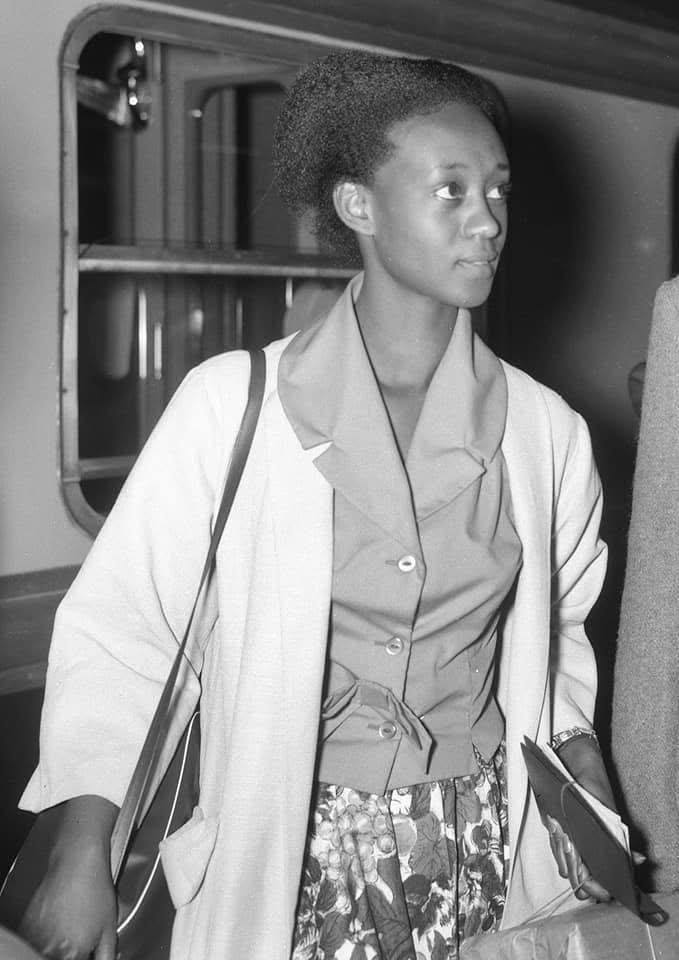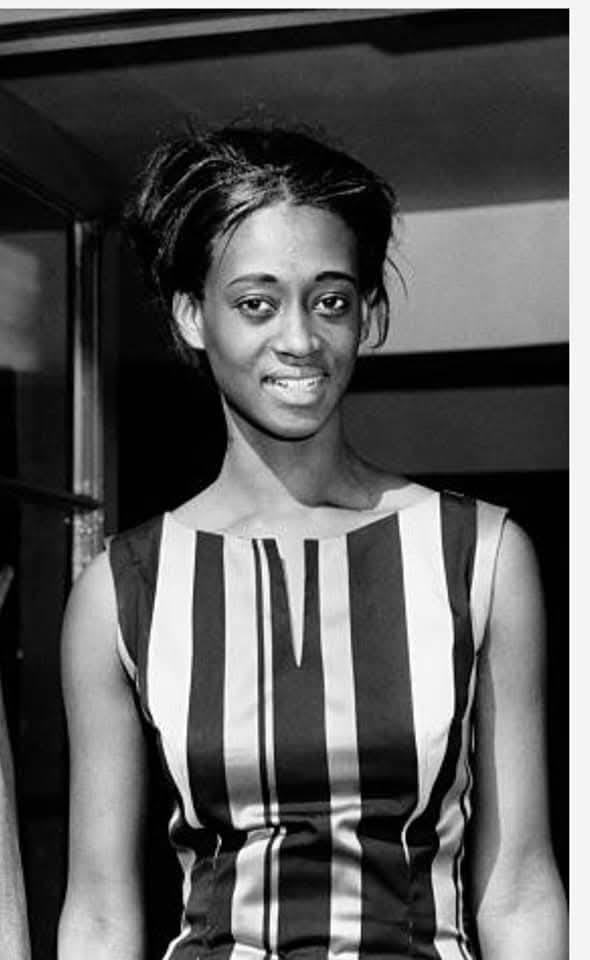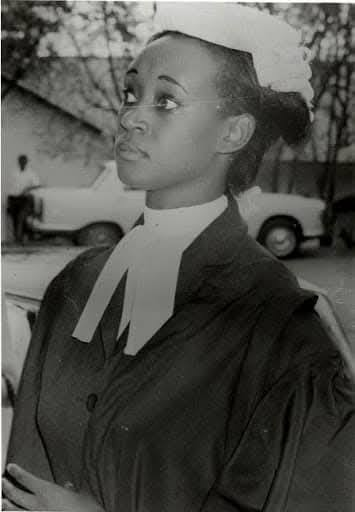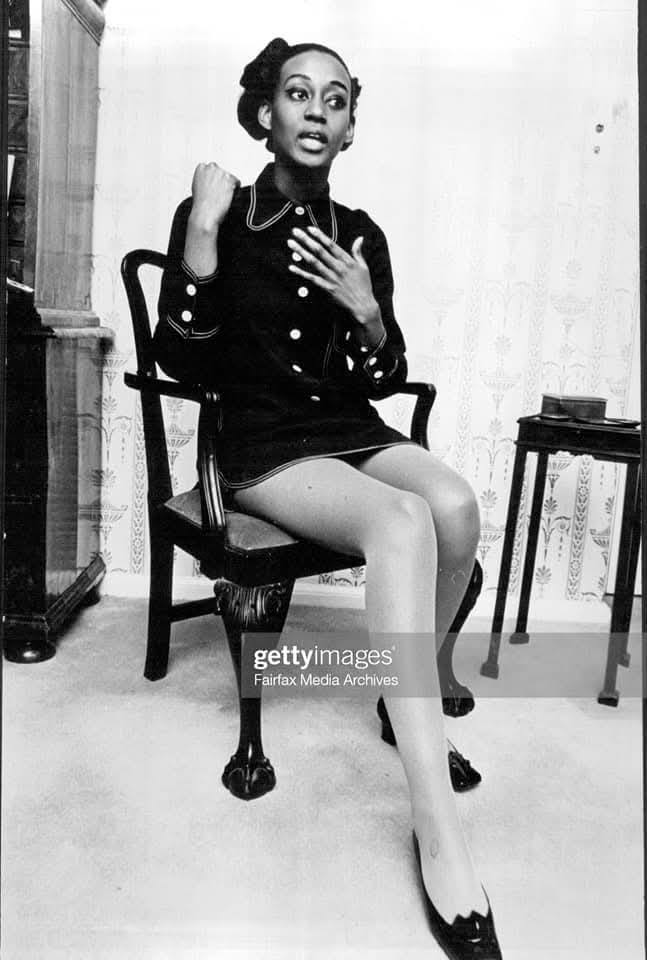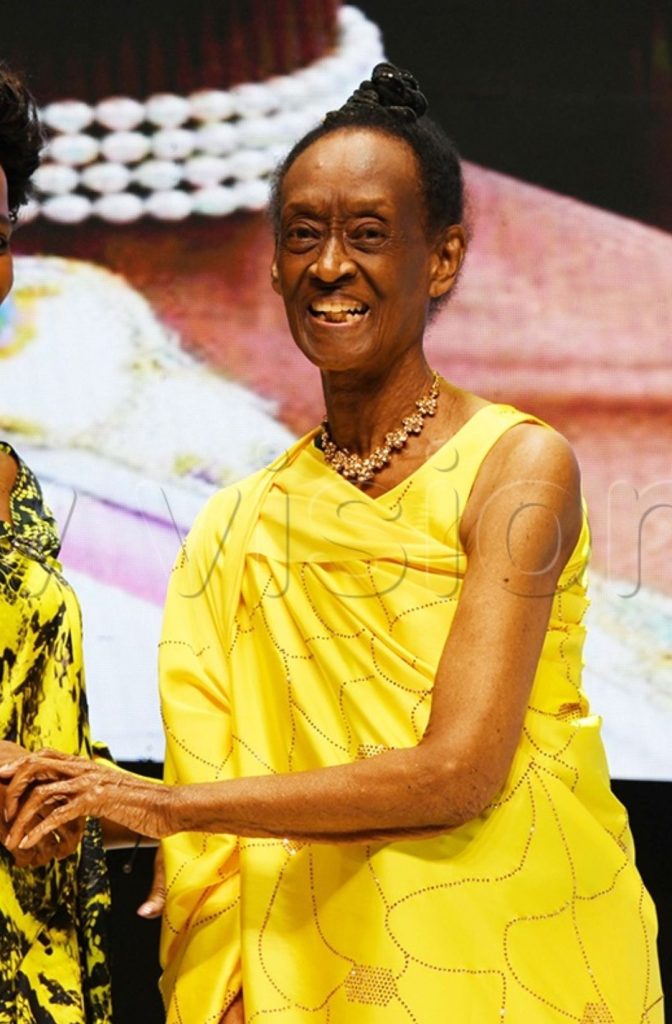

Her Royal Highness Princess Elizabeth Bagaya of Toro, who recently celebrated her 90th birthday, is a figure whose life reflects an extraordinary blend of intelligence, beauty, and resilience. Born to King Rukidi III of Tooro, who reigned from 1928 to 1965, Bagaya grew up with the responsibility of being a royal in Uganda’s influential Tooro Kingdom. Yet, her journey far exceeded the royal walls of her father’s palace. In the 1950s, her father made the decision to send her abroad for her education—a decision that would shape the future of the young princess in remarkable ways.
Early Education and Breakthroughs in England
After receiving her early education in Uganda, Princess Bagaya’s intellect and potential were clear. Her father sent her to England for her high school education at Sherborne School for Girls. Here, she became the only Black girl at the prestigious institution, a fact that highlighted not only her uniqueness but also the boldness of her aspirations. But this was only the beginning of her academic journey.
In 1959, Bagaya made history as she enrolled at the University of Cambridge, a milestone that placed her among the few African women to attend this prestigious university. Bagaya’s time at Cambridge was nothing short of transformative. She chose law as her field of study, and by 1962, she became the third African woman to graduate from this esteemed institution. Her education in England was not only an academic triumph but also a testament to her resilience in the face of cultural and racial challenges.
A Trailblazer in Law
Bagaya’s legal achievements were just as remarkable. In 1965, she became the first East African woman to be called to the English Bar at Gray’s Inn. This historic achievement demonstrated her extraordinary legal prowess and her commitment to breaking barriers for African women in traditionally male-dominated fields. Her story was one of perseverance, proving that brilliance knows no boundaries, regardless of race or gender.
Alongside her legal achievements, Princess Bagaya was known for her striking beauty. Her charm and presence extended beyond the courtroom, as she became a successful fashion model in London and New York. During her time in these cities, she graced the pages of numerous fashion magazines, becoming a symbol of elegance and grace. It was during one of these shows in London that she met Jacqueline Kennedy, who encouraged her to try her luck in New York—a suggestion that opened new doors in the world of fashion.
Minister of Foreign Affairs in Amin’s Regime
In 1974, Uganda’s political landscape took a dramatic turn when Idi Amin dismissed Lt-Col Michael Ondoga, whose body was later found in the Nile River. Shortly after this event, Amin appointed Princess Elizabeth Bagaya as Uganda’s Minister for Foreign Affairs, a position that placed her at the heart of the country’s diplomacy during a turbulent period in its history.
As Uganda’s chief diplomat, Princess Bagaya’s role was fraught with contradictions. She was tasked with representing a government led by one of Africa’s most controversial leaders, Idi Amin. Despite Amin’s notorious reputation for violence and brutality, Bagaya was expected to present a sanitized version of Uganda to the international community. She represented the regime at various diplomatic events, including the Saba Saba Day celebrations in Dar es Salaam, Tanzania, where she met former Ugandan president Milton Obote, who was living in exile at the time.
The Tensions Between Bagaya and Amin
During her tenure as Foreign Minister, tensions between Princess Bagaya and Idi Amin became more evident. The princess was not only an accomplished diplomat but also a woman of principle, which at times clashed with Amin’s personal interests. According to various accounts, Amin was deeply enamored with Bagaya, but she was not interested in pursuing a romantic relationship with the dictator. When Bagaya stood firm against his advances, the situation escalated.
Her refusal to comply with Amin’s personal desires led to her being placed under house arrest. However, in a twist of fate, she was later invited back to a cabinet meeting where she stood her ground once again. The meeting took a dramatic turn when Amin publicly accused her of “gross indiscipline” and fabricated scandalous allegations about her. This marked the end of her tenure as Foreign Minister.
Exile and Refuge in Nairobi
Realizing that her life was in danger, Princess Bagaya fled Uganda and sought refuge in Nairobi, Kenya. She found shelter in the home of Dr. Njoroge Mungai, a prominent Kenyan figure. During her time in Nairobi, Bagaya’s situation drew the attention of other political leaders, including Milton Obote, who had once advised her to leave Amin’s government. Obote reached out to Bagaya, acknowledging the danger she faced and offering his support.
Bagaya’s time in Kenya was a pivotal period in her life, as it marked the beginning of her journey into exile. She later moved to Vienna, then London, where she continued her work in diplomacy and international relations. Despite the setbacks in her personal and political life, Bagaya remained an influential figure, holding various diplomatic roles after the fall of Idi Amin’s regime.
Diplomatic Career After Amin’s Fall
After the fall of Idi Amin’s regime and the rise of Yoweri Museveni to power, Princess Elizabeth Bagaya continued to contribute to Uganda’s diplomatic efforts. In 2008, she was appointed Uganda’s High Commissioner to Nigeria, a role that once again placed her at the forefront of international diplomacy. Her career in diplomacy spanned several decades, with her presence and influence felt in various global forums.
Conclusion: A Legacy of Grace and Strength
Her Royal Highness Princess Elizabeth Bagaya’s legacy is one of remarkable achievements and enduring grace. From her groundbreaking education at Cambridge to her diplomatic roles and resilience during Uganda’s political turmoil, she has proven time and again that brilliance knows no boundaries. At 90, Princess Bagaya remains a symbol of intelligence, beauty, and strength, continuing to inspire future generations of women leaders.