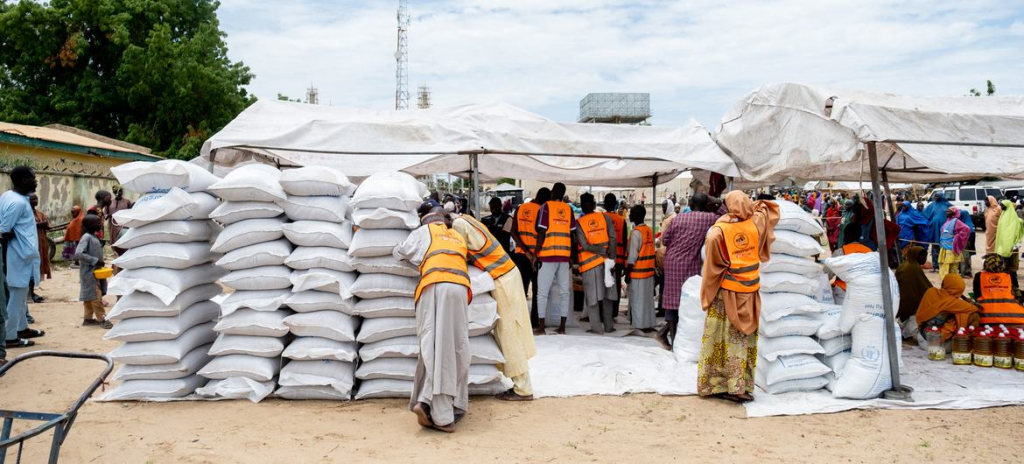
Millions of people across West and Central Africa are being pushed deeper into hunger as cuts to humanitarian aid undermine food assistance at a time of rising conflict, displacement, and economic stress. Aid agencies warn that without urgent funding, the region faces one of its most severe food security crises in years.
According to the World Food Programme, an estimated 55 million people are expected to experience crisis levels of hunger or worse during the lean season between June and August. The warning comes as reduced humanitarian budgets limit the ability of aid agencies to respond effectively to growing needs.
The assessment is based on the Cadre Harmonisé food security framework, which uses a five-point scale to measure hunger severity. Current projections show that more than three million people will face emergency levels of food insecurity, a sharp rise from figures recorded just a few years ago.
Children are among the hardest hit. Aid agencies estimate that about 13 million children across the region will suffer from malnutrition this year. Many families are already struggling to cope, particularly in areas affected by violence, displacement, and rising food prices.
Four countries, Nigeria, Chad, Cameroon, and Niger, account for more than three-quarters of those facing food insecurity. In Nigeria’s Borno State alone, around 15,000 people are now at risk of catastrophic hunger, a level not seen in nearly a decade.
While conflict and economic pressures have long driven hunger in the region, humanitarian organisations say aid cuts are now tipping vulnerable communities beyond their ability to survive. Reduced assistance has forced families to skip meals, sell assets, and adopt harmful coping strategies.
The World Food Programme says it urgently needs more than $453 million over the next six months to maintain life-saving operations. Without this funding, millions could lose access to food, nutrition, and emergency support.
In Mali, the impact of reduced aid has been stark. Areas where food rations were cut experienced a surge of nearly 65 per cent in acute hunger since 2023. By contrast, communities that continued receiving full rations saw hunger levels decline, highlighting the direct link between funding and food security.
In Nigeria, funding shortfalls last year forced the agency to scale down nutrition programmes, affecting more than 300,000 children. Since then, malnutrition rates in several northern states have worsened from serious to critical. Assistance levels have dropped sharply, with only a fraction of those previously supported expected to receive aid in the coming months.
Cameroon faces a similar risk, with more than half a million vulnerable people likely to lose access to food assistance in the weeks ahead if funding gaps persist.
Despite the challenges, aid agencies stress that sustained investment can make a difference. Programmes supporting farming, school meals, nutrition, and community resilience have helped millions improve food security and reduce reliance on emergency aid.
However, WFP officials say a shift in approach is needed. They are calling on governments and donors to invest more in preparedness, early action, and resilience-building to help communities withstand future shocks.
Without renewed commitment and funding, aid agencies warn that hunger across West and Central Africa will continue to deepen, placing millions of lives at risk.