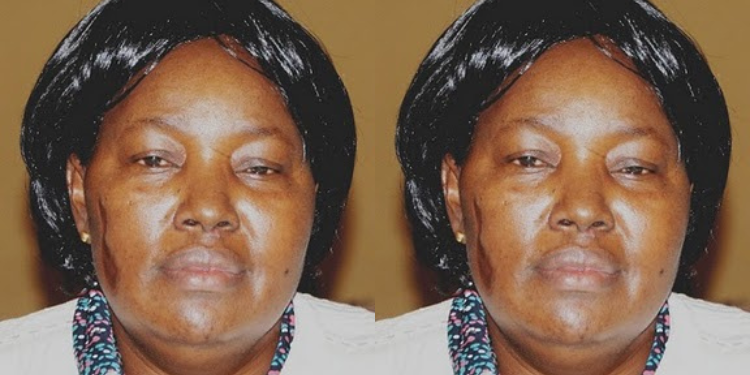


Professor Norah Khadzini Olembo (10 June 1941 – 11 March 2021) was a pioneering Kenyan biochemist, policy developer, and advocate for biotechnology. Her work not only shaped Kenya’s approach to biotechnology but also established her as one of the most influential scientists in the country. A tireless advocate for women’s empowerment in science, Olembo’s contributions to policy development in biotechnology and intellectual property rights made a significant impact on Kenya’s scientific community and beyond.
Early Life and Education
Norah Olembo was born Norah Khadzini Ngaira in Kaimosi, British Kenya, to Berita Khasoha and Benjamin Shitsugane Ngaira. Growing up in a Quaker missionary family, Olembo had early exposure to education and a strong academic foundation. After attending Kaimosi Friends Primary School, she became head girl and later proceeded to Butere Girls High School for her O-level studies. It was during this time that Olembo developed an interest in science.
In 1960, she moved to The Mount School in York, England, where she studied biology, chemistry, English, and physics. Upon completing her A-levels, Olembo enrolled at University College Nairobi (now University of Nairobi), where she pursued degrees in botany, chemistry, and zoology. She later earned her master’s and PhD degrees in biochemistry, molecular biology, and zoology from the University of London.
Academic Career and Contributions
Olembo’s career as an academic began at the University of Nairobi, where she was appointed as an associate professor in biochemistry. She became the first African to hold the position of chair of the biochemistry department at the university. Her research focused on biotechnology and the role of biodiversity in ensuring food security. Olembo was a mentor to many students and was instrumental in shaping the university’s curriculum in biotechnology.
In 1992, she founded Biotechnology Trust Africa (BTA), a non-profit organization aimed at using biotechnology to improve agricultural practices and healthcare solutions. BTA’s work led to the development of disease-free crops and vaccines for animal diseases, demonstrating Olembo’s commitment to using scientific innovation to address critical issues in Kenya.
Policy Development and Advocacy
Professor Olembo was not only an academic but also a strong advocate for policy development in science and biotechnology. She served as the head of the Kenya Industrial Property Office from 1992 to 2002, where she worked on issues related to intellectual property and environmental management. In this capacity, she played a key role in drafting and pushing forward policies on biosafety and biotechnology regulation in Kenya.
Olembo’s advocacy was particularly notable during the World Trade Organization (WTO) ministerial talks in Cancun, Mexico, in 2003, where she was instrumental in Kenya’s walkout from the discussions. This act demonstrated her firm stance on ensuring that biotechnology policies would benefit Kenyan farmers and protect their rights to indigenous knowledge.
Her lobbying efforts contributed to the passage of critical policies, including the “Environmental Management and Coordination Act” (1999) and the “National Guidelines for Research and Development of HIV/AIDS Vaccines” (2000). These policies helped facilitate international collaboration while ensuring fair compensation for research and development efforts.
Olembo was also deeply involved in the establishment of the National Biotechnology Development Policy (2006) and the Biosafety Act (2009), both of which laid the foundation for Kenya’s modern biotechnology sector.
Women’s Advocacy and Empowerment
In addition to her scientific work, Olembo was an advocate for women’s leadership and empowerment in science and technology. In 1984, she, alongside Eddah Gachukia and Njoki Wainaina, founded FEMNET, a pan-African women’s organization aimed at empowering women and ensuring their active participation in development. She was also a founding member of the African Women’s Forum on Science and Technology, which sought to promote gender equality in science and technology fields.
Global Recognition and Leadership Roles
Olembo’s efforts to promote science and technology in Africa earned her recognition both locally and internationally. She was inducted into the Kenya National Academy of Sciences in 1994 and received numerous awards, including the Order of the Grand Warrior of Kenya in 1995 and the Moran of the Order of the Burning Spear in 2001.
Her work at Africa Technology Policy Studies Network (ATPS) helped shape the role of science and technology in African development. The network, which Olembo chaired, focused on addressing critical issues such as climate change, water scarcity, health systems, and global trade.
Death and Legacy
Professor Norah Olembo passed away on 11 March 2021, after a long battle with mouth cancer. She was mourned as one of Kenya’s most influential scientists, having published over 30 papers during her career. Olembo’s contributions to biotechnology, environmental management, and scientific policy development continue to inspire future generations of scientists and policymakers in Kenya and Africa.
Olembo is remembered for her work on intellectual property protection, biotechnology regulation, and her advocacy for women’s rights in science. Her leadership and influence in shaping Kenya’s biotechnology policies remain a testament to her commitment to using science and technology for national development.
Conclusion
Professor Norah Olembo’s legacy as a biochemist, policy developer, and advocate for biotechnology in Kenya is profound. Her work has helped establish the framework for the country’s biotechnology sector and has positioned Kenya as a leader in the field within Africa. Olembo’s commitment to social justice, women’s empowerment, and the ethical use of biotechnology remains a significant part of her legacy.