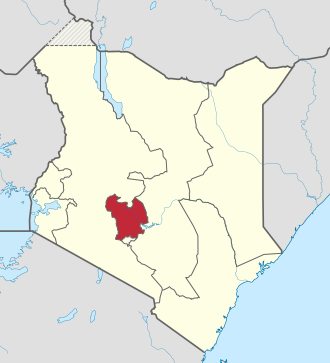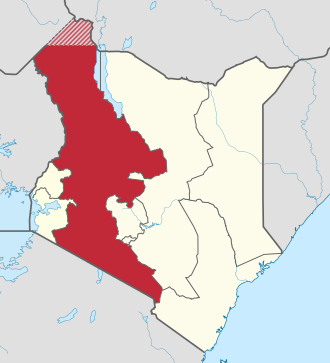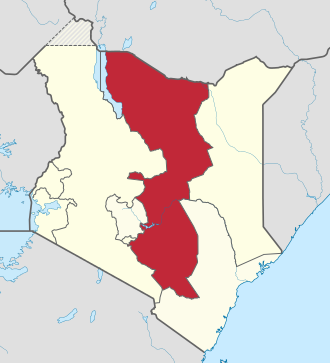


Kenya’s administrative structure has undergone significant changes over the years. The subdivisions of Kenya are no longer based on the old provincial system; they were restructured with the implementation of the 2010 Constitution, marking the transition to a more decentralized system of governance. The provinces were replaced with 47 counties, each with its own elected government. This move was aimed at promoting local governance and ensuring better service delivery at the grassroots level.
Today, Kenya is divided into 47 counties, which are the primary administrative units. These counties are further divided into sub-counties, constituencies, wards, and villages, which help to streamline local governance and elections. The City of Nairobi was previously an independent province but is now considered a county with special status.
The Old Provincial System
Before the 2010 reforms, Kenya was divided into eight provinces, each overseen by a Provincial Commissioner, who was appointed by the president. These provinces were further subdivided into districts, which were then broken down into divisions, locations, and sublocations. The old system, which existed until 2010, had 69 districts as of the 1999 census, with 497 divisions and 2,427 locations.
The provinces, under this system, included:
- Central
- Coast
- Eastern
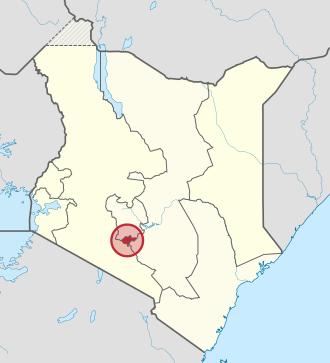
- Nairobi
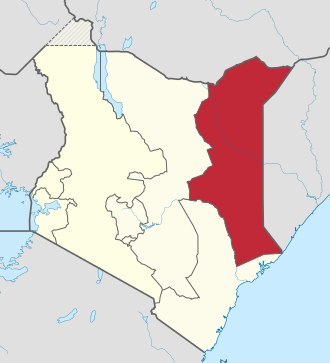
- North Eastern
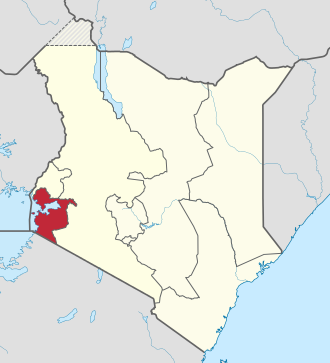
- Nyanza
- Rift Valley
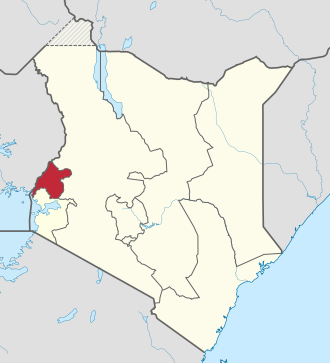
- Western
These provinces played a significant role in local governance and were central to the allocation of resources and administration across the country.
Transition to Counties and Sub-Counties
The 2010 Constitution of Kenya replaced the old provincial system with 47 counties, each with its own elected county government. This was part of a broader push for devolution, aimed at improving governance and ensuring resources were more equitably distributed across the country. The counties are the central units of governance in the country, each headed by a Governor and supported by a County Assembly.
Each county is further divided into sub-counties, constituencies, wards, and villages, which represent different levels of local government.
Key Subdivisions in Kenya:
- Counties: There are 47 counties in Kenya, each with a governor and a legislative assembly. These counties replace the old provincial system.
- Sub-Counties: Each county is divided into sub-counties, which are further subdivisions used for administrative purposes.
- Constituencies: Kenya has 290 constituencies. Constituencies are electoral districts from which Members of Parliament (MPs) are elected to represent the people in the National Assembly.
- Wards: Constituencies are divided into Wards, which are the smallest units for local elections. Each ward elects a representative to the County Assembly.
- Villages: Villages are the most localized administrative units, often composed of small rural settlements within a particular ward.
Role of Local Governance
Local governance in Kenya is primarily carried out through County Governments. These governments are responsible for service delivery, including health, education, infrastructure, and agriculture, at the county level. The devolution of power means that county governments have significant autonomy, enabling them to better respond to the needs of local populations.
In addition to the county governments, Kenya has local authorities in urban centers, such as city councils, municipal councils, and town councils, which manage local affairs in these areas.
Constituencies in Kenya: Electoral Units
Constituencies in Kenya are a key component of the electoral system. The country has 290 constituencies, each represented by a Member of Parliament (MP) in the National Assembly. Constituencies are designed to ensure fair political representation and are based on population size. This system ensures that each constituency elects an MP who represents the interests of the local population in the national government.
The constituencies have been adjusted over the years to reflect population growth and demographic changes. The Independent Electoral and Boundaries Commission (IEBC) is responsible for periodically reviewing and adjusting constituency boundaries to maintain fairness in the electoral process.
The County Assemblies and Their Role
Each of Kenya’s 47 counties has a County Assembly, which is made up of elected representatives. These representatives are known as Members of the County Assembly (MCAs). The County Assembly is responsible for passing local laws, approving the county budget, and overseeing the activities of the county executive. The County Assembly plays a crucial role in ensuring that the county government is responsive to the needs of the local population.
Conclusion
Kenya’s shift from a provincial system to a county-based system marked a significant step towards decentralizing governance and ensuring greater democratic representation. The 47 counties, along with the sub-counties, constituencies, and wards, form a well-structured system that ensures better local governance and facilitates the provision of essential services. As Kenya continues to grow and develop, these subdivisions will remain vital in managing the country’s diversity and ensuring that every citizen has access to governance and resources.