

The demand for fast and reliable internet in Kenya is growing rapidly, presenting a great opportunity for entrepreneurs to start their own Internet Service Provider (ISP) business. Whether you aim to serve a local community or offer large-scale internet solutions, the ISP industry can be profitable. However, starting an ISP in Kenya involves careful planning, investment, and adherence to legal requirements. This guide will walk you through the steps of launching an ISP company in Kenya, from securing licenses to building infrastructure and attracting customers.
Step 1: Obtain the Necessary Licenses and Documentation
Starting an ISP in Kenya requires obtaining the proper licenses from the Communications Authority of Kenya (CA). The Application Service Provider (ASP) license is necessary for internet service provision. Here’s how to get started:
- Fill out the ASP Application Form – Available on the CA website or at their offices.
- Pay the Application Fee – The amount varies depending on the size and type of ISP you plan to run.
- Submit Required Documents:
- Certificate of Incorporation
- Proof of tax compliance
- Details of directors and shareholders
- KRA PIN for the company and directors
- Receive an Offer Letter – If approved, you’ll receive an offer letter from CA.
- Pay the License Fee – Once you’ve received your offer, make the payment for your license.
In addition to the ASP license, you may need other permits depending on the nature of your services, such as licenses for wireless internet service providers (WISP) or for larger wholesale operations.
Step 2: Choose an Ideal Location for Your ISP Services
Choosing the right location for your ISP is crucial for success. Factors to consider include:
- Population Density – Urban areas or densely populated areas are ideal due to higher demand.
- Access to Fibre – Ensure the area has access to upstream fibre or easy connectivity options.
- Topography – Flat terrain is better for wireless signals, while mountainous or forested areas may present challenges.
- Proximity to Potential Customers – Ensure your service area is within reach of your target market, whether residential or commercial.
In some cases, you may also want to research areas where competitors are sparse, allowing you to fill a market gap.
Step 3: Select a Reliable Fibre Provider
The next step is to secure a reliable fibre provider. This will be your partner in delivering internet to your customers. Some of the leading fibre providers in Kenya include:
- Safaricom
- Zuku
- Jamii Telecommunications
- Access Kenya
When choosing a provider, consider the following:
- Availability in Your Area – Ensure that the fibre provider has a presence in the areas you plan to serve.
- Bandwidth and Speed – Choose a provider that offers competitive bandwidth and speed.
- Cost – Compare the rates and packages to find the best deal for your customers.
A strong partnership with a fibre provider ensures that you can offer reliable internet services at competitive rates.
Step 4: Purchase the Necessary Hardware and Set Up Your Network
To run an ISP business, you need to invest in the right hardware. The equipment required depends on whether you plan to run a fibre-based ISP or a wireless ISP. Here’s a list of essential equipment:
- Routers and Switches – For managing internet traffic.
- Servers – For handling customer accounts, data, and networking.
- Antennas – For wireless ISPs to transmit signals.
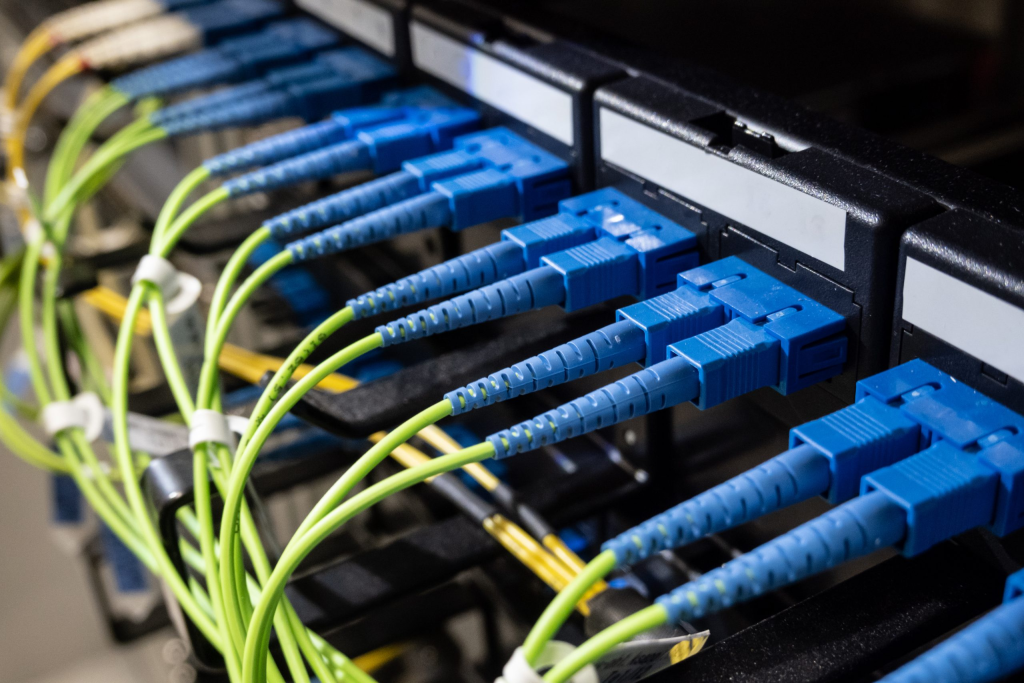
- Cabling – Fibre cables for fibre-based ISPs.
- UPS and Backup Power – To ensure uninterrupted service during power outages.
- Customer Premises Equipment – Such as Wi-Fi routers and modems.
If you are not familiar with setting up an ISP network, consider hiring certified networking professionals. They can help with the configuration, installation, and maintenance of the network.
Step 5: Start Operations and Promote Your ISP
With your infrastructure in place, you can now start running your ISP. Here’s what you need to do:
- Hire Staff – Technicians for installations, customer support, and sales staff.
- Offer Various Packages – Create flexible internet packages to suit residential, business, and corporate needs.
- Provide Excellent Customer Support – Ensure that your customers have access to help when needed.
- Marketing – Advertise through digital platforms, billboards, and local campaigns to attract customers. Word of mouth is also essential, so always prioritize customer satisfaction.
Is the ISP Business Profitable in Kenya?
The ISP business in Kenya can be highly profitable due to the increasing demand for internet services, especially in urban areas. Offering reliable services, competitive prices, and high-quality customer support can make your ISP stand out from the competition.
How Much Does It Cost to Start an ISP in Kenya?
The costs of setting up an ISP can vary greatly depending on whether you choose a retail or wholesale operation. Here’s an estimate of the capital required:
- Wholesale ISP: KSh 10 million to KSh 30 million, covering fibre infrastructure, equipment, and professional services.
- Retail ISP: KSh 2 million to KSh 5 million, primarily covering customer premises equipment and operational costs.
These costs include setting up the network, obtaining licenses, hiring staff, and marketing. For a small ISP, the initial investment is more affordable, but scaling up may require additional funding.
Conclusion
Starting an ISP company in Kenya requires a combination of planning, investment, and compliance with regulatory requirements. By securing the necessary licenses, choosing the right location, selecting a reliable fibre provider, and building the necessary infrastructure, you can successfully launch your ISP business. Offering excellent service and competitive pricing will ensure your success in this growing market.
Follow this step-by-step guide to set up your ISP and become part of Kenya’s rapidly expanding digital ecosystem.