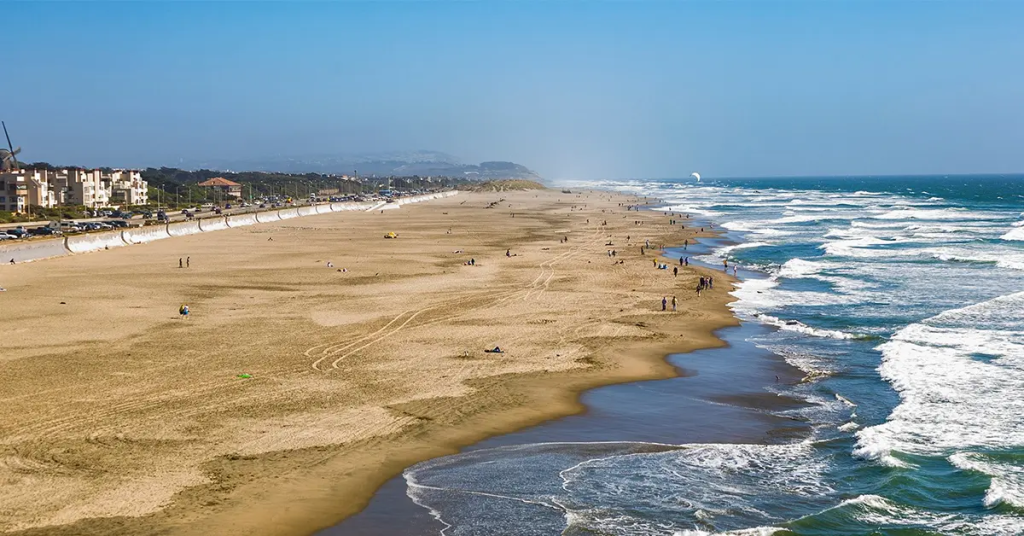


Kenya’s coastal region is a precious part of the country’s environmental and economic landscape. With its rich biodiversity and valuable resources, the government has established the Coastal Zone Management Permit as a way to regulate development activities within these sensitive areas. This permit ensures that any developments along the coast are sustainable and do not harm the environment.
If you’re planning a development project in Kenya’s coastal zone, whether it’s a tourist resort, a marina, or any other large-scale construction, this guide will walk you through the process of obtaining a Coastal Zone Management Permit.
How to Apply for a Coastal Zone Management Permit in Kenya
To obtain a Coastal Zone Management Permit in Kenya, it’s essential to follow a series of steps that align with the Integrated Coastal Zone Management (ICZM) Policy. Here’s a detailed breakdown of what you need to do to get approval.
Step 1: Conduct an Environmental Impact Assessment (EIA)
The first step to obtaining a Coastal Zone Management Permit is conducting a comprehensive Environmental Impact Assessment (EIA). This assessment evaluates the potential effects your project may have on the coastal environment and its communities. It is an essential part of the approval process.
- What You Need to Do:
- Hire a NEMA-licensed EIA expert to conduct the assessment.
- The EIA report should include information about the site, project details, environmental and social impacts, and proposed mitigation strategies.
- Submit the EIA report to NEMA (National Environment Management Authority) for review and approval.
Key EIA Documents:
- Project proposal.
- Site maps and coordinates.
- Stakeholder consultation report.
- Mitigation strategies for environmental risks.
Step 2: Secure County Government Approvals
Once you’ve received the EIA license, you need to secure county government approvals. These are crucial to ensure your project aligns with local zoning and land-use plans.
- What You Need to Do:
- Obtain building permits from the local county planning office.
- Confirm your development complies with local spatial planning laws and construction standards.
In addition, depending on your project, you may need to obtain other sectoral permits such as:
- Water Resources Authority (WRA): For water abstraction permits.
- Kenya Forest Service (KFS): For permits related to mangrove use.
- Kenya Maritime Authority (KMA): For marine infrastructure safety clearance.
Step 3: Engage Stakeholders and Address Community Concerns
Stakeholder engagement is a key part of the ICZM Policy. Developers are required to consult with affected local communities, environmental groups, and relevant authorities before proceeding with the project.
- What You Need to Do:
- Hold public meetings or community barazas to share project plans with local residents.
- Collect feedback from stakeholders and address any concerns in your EIA report.
- Ensure that community input is fully integrated into your project’s design to avoid opposition later.
Step 4: Submit Your Final Application to NEMA
Once you’ve completed the EIA, obtained county approvals, and engaged stakeholders, it’s time to submit your full application to NEMA. This includes all required documents, such as:
- Approved EIA report.
- County government permits (e.g., zoning and building permits).
- Sectoral permits (e.g., WRA, KFS, KMA).
- Stakeholder engagement report.
- Detailed project proposal with site maps.
- Submission Options:
- Submit your application directly to NEMA’s Coastal Zone Licensing Division via the Environmental Licensing Portal or in person at their offices.
Step 5: NEMA’s Review and Final Approval
After you’ve submitted your application, NEMA will review it to ensure that it aligns with Kenya’s environmental laws and ICZM principles.
- What Happens During Review:
- NEMA may request additional information or documentation.
- A site inspection may be conducted to verify the project details.
- If everything is in order, NEMA will approve your application and issue the Coastal Zone Management Permit.
- Permit Issuance:
- Once approved, you’ll receive the official permit. The permit may be valid for several years, depending on the nature and scope of the project.
Key Considerations for a Smooth Application Process
- Start Early: The application process can take several months, so it’s crucial to begin well in advance.
- Be Thorough with Documentation: Ensure that all forms and documents are complete and accurate to avoid delays.
- Engage the Right Experts: Hire licensed EIA experts and other professionals who understand Kenya’s environmental laws.
- Be Transparent: Involve the community early and address any concerns to avoid opposition later on.
- Maintain Compliance: Once the permit is granted, ensure that your project continues to meet environmental and legal requirements throughout its lifespan.
Conclusion
Applying for a Coastal Zone Management Permit in Kenya is a comprehensive process that requires strict adherence to environmental regulations and local development laws. By following the steps outlined above, engaging with stakeholders, and ensuring your project complies with national and local standards, you will be able to navigate the application process successfully.
This permit is essential for ensuring that developments along Kenya’s coast are sustainable, environmentally responsible, and beneficial to local communities. By following the steps, you are not just gaining permission for your project but contributing to the preservation of Kenya’s valuable coastal ecosystem for future generations.