

Kenya is home to a diverse Muslim population, and its cities and towns feature numerous mosques that serve as religious, cultural, and community hubs. These mosques vary in size, history, and significance, and each contributes to the vibrant Muslim heritage of the country. From the historic Jamia Mosque in Nairobi to more recent establishments like the Mosque of Jesus Christ Son of Mary in Kirinyaga, Kenya’s mosques are an essential part of the country’s religious landscape.
In this article, we present a list of notable mosques in Kenya, highlighting their locations, years of establishment, and significance within the local and national Muslim communities.
Notable Mosques in Kenya
Here are some of the most significant mosques in Kenya, each with its own unique history and role in the Muslim community.
1. Khoja Mosque
- Location: Nairobi
- Year Established: 1922
- Remarks:
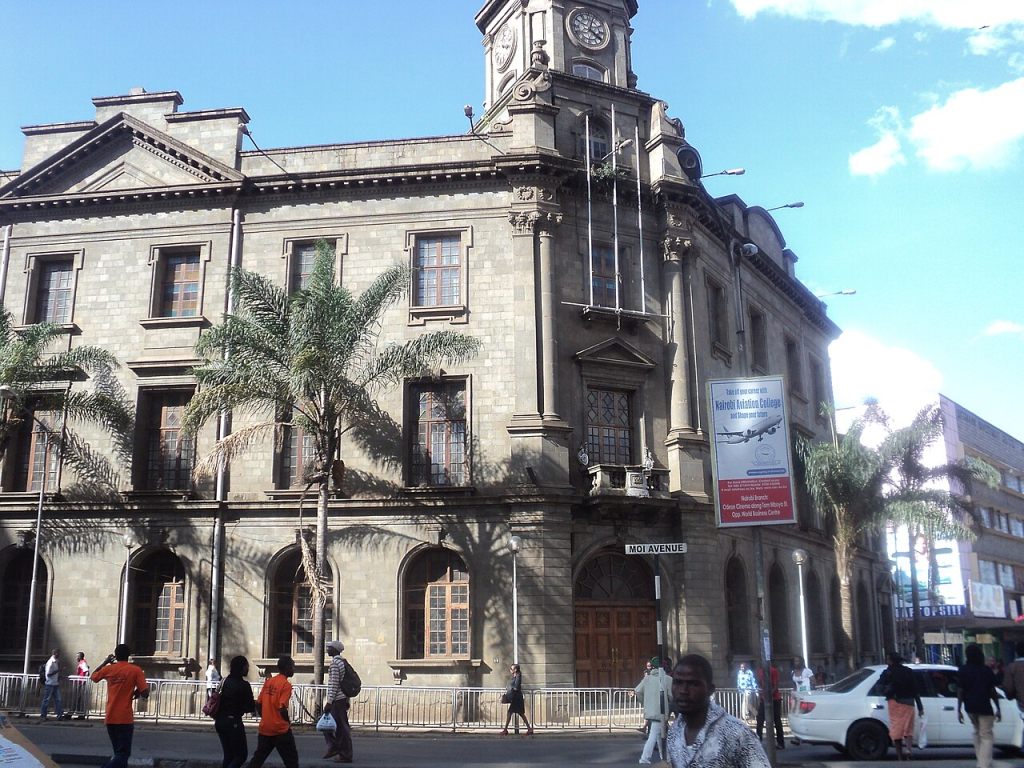
The Khoja Mosque is one of the oldest and most notable mosques in Nairobi, built by the Khoja Muslim community, a group of Ismaili Shia Muslims. The mosque stands as a symbol of the cultural and religious heritage of the Khoja community in Kenya. It has been a center for both religious services and community activities for nearly a century, and it remains an important institution for local Muslims.
2. Jamia Mosque
- Location: Nairobi
- Year Established: 1906
- Remarks:
The Jamia Mosque is one of the most iconic mosques in Kenya and serves as the main mosque for Nairobi’s Muslim community. It was built in 1906 by the Indian Muslim community and has since become a focal point for religious activities in Nairobi. The mosque is renowned for its architectural beauty and its role in religious education and public services. It also hosts community events and social programs, making it a central figure in the life of Muslims in Nairobi.
3. Mosque of Jesus Christ Son of Mary
- Location: Kirinyaga
- Year Established: 2021
- Remarks:
Located in Kirinyaga County, the Mosque of Jesus Christ Son of Mary is one of the newer mosques in Kenya, having been completed in 2021. The mosque has garnered attention due to its unique name, which signifies the shared religious heritage between Muslims and Christians, particularly regarding the reverence for Prophet Isa (Jesus) in Islam. The mosque serves as a place of worship and reflection for the Muslim community in Kirinyaga and beyond.
Kenya is home to a rich and diverse Islamic heritage, and its mosques play a central role in the cultural and spiritual life of the Muslim community. Nairobi and Mombasa, two of the country’s largest cities, feature some of the most significant and historic mosques, which have become key landmarks for worship, education, and cultural exchange. From the iconic Jamia Mosque in Nairobi to the Mandhry Mosque in Mombasa, these mosques are a testament to the deep-rooted Islamic traditions that have shaped Kenya’s history.
In this article, we explore the notable mosques in both Nairobi and Mombasa, detailing their histories, architectural beauty, and cultural importance to the local Muslim community and beyond.
Notable Mosques in Nairobi
1. Jamia Mosque
- Location: Banda Street, Nairobi, Central Business District
- Year Established: 1902 (Reconstructed 1925-1933)
- Remarks:
Jamia Mosque is Kenya’s most prominent Islamic landmark, located in the heart of Nairobi. Established in 1902 and later reconstructed between 1925 and 1933, the mosque is known for its stunning Arabic-style architecture, complete with three silver domes and twin minarets. It accommodates over 8,000 worshippers and serves as a major hub for religious, educational, and social activities. As one of Nairobi’s most iconic structures, Jamia Mosque holds deep cultural significance and continues to be a central figure in the spiritual life of the city’s Muslim community.
2. Khoja Jamatkhana
- Location: Moi Avenue, Nairobi
- Year Established: 1920-1922
- Remarks:
The Khoja Jamatkhana is a historic mosque located on Moi Avenue, built between 1920 and 1922. This massive grey stone structure is an important landmark for the Ismaili Muslim community in Kenya. It stands at the edge of the city’s bazaar area and is a place of worship and community gathering. As one of the oldest mosques in Nairobi, the Khoja Jamatkhana holds both religious and historical significance, serving as a focal point for the Ismaili community’s spiritual and cultural activities.
3. Ahmadiyya Mosque
- Location: Murang’a Road, Nairobi
- Year Established: 1931
- Remarks:
The Ahmadiyya Mosque, built in 1931, is considered a gem of Islamic architecture in Nairobi. This elegant white mosque with two minarets stands out for its beauty and is considered the architectural jewel of the Ahmadiyya Muslim community in Kenya. The mosque continues to serve as a spiritual center for the community, providing a place for prayer, reflection, and education. It is an important part of Nairobi’s Islamic landscape and a key landmark in the city.
4. Jamia Mosque Railway Landhies
- Location: Ladhies Road, Starehe, Nairobi
- Year Established: Early 1900s
- Remarks:
The Jamia Mosque Railway Landhies is a historic mosque that was built by railway workers in the early 1900s. It was declared a National Monument in 2023 due to its historical significance. Located in Starehe, the mosque is a testament to the role of railway workers in the development of Nairobi’s early infrastructure. It continues to serve as a center for worship and community activities, preserving the history and heritage of the local Muslim population.
Historic Mosques in Mombasa and the Coast
5. Mandhry Mosque
- Location: Bohora Mosque, Sir Mbarak Hinawy Road, Mombasa
- Year Established: 1570
- Remarks:
The Mandhry Mosque, located in Mombasa’s Old Town, is the city’s oldest mosque, having been established in 1570. The mosque holds historical importance not only for its age but also for its unique architectural features, including two mihrabs (prayer niches) pointing towards Mecca. It is one of only two mosques globally with this distinctive characteristic. The Mandhry Mosque continues to be a focal point for Mombasa’s Muslim community, providing both spiritual guidance and a place of worship for generations.
6. Kongo Mosque (Diani)
- Location: Kwale County, Diani Beach
- Year Established: 14th Century
- Remarks:
The Kongo Mosque, located in Kwale County near Diani Beach, is one of the oldest active places of worship in East Africa. Built in the 14th century with coral stone, the mosque is a reminder of the region’s historical significance in the Swahili Coast’s Islamic heritage. The mosque continues to serve the local Muslim community, and its historical significance adds to its charm as a cultural and spiritual landmark in the region.
7. Masjid Riyadha & Islamic Centre
- Location: Mombasa
- Year Established: Late 19th Century
- Remarks:
The Masjid Riyadha & Islamic Centre, established in the late 19th century, is renowned for its role as a center for Islamic scholarship and its significance in the annual Maulidi festival. The mosque is a key institution for religious education and plays an active role in community development in Mombasa. It is one of the oldest mosques on the coast, continuing to influence the religious and cultural life of Mombasa’s Muslim population.
8. Gede Ruins
- Location: Near Malindi
- Year Established: 14th Century
- Remarks:
The Gede Ruins, located near Malindi, offer evidence of advanced medieval Swahili civilizations. These 14th-century ruins include the remains of a mosque and provide a glimpse into the past. The site, now an archaeological museum, is an important heritage site for those interested in the region’s Islamic history and the development of Swahili culture.
9. Jumba La Mtwana
- Location: Near Malindi
- Year Established: 14th Century
- Remarks:
Jumba La Mtwana is a 14th-century archaeological site located near Malindi, featuring the remains of a mosque and tombs. The site offers a unique view into the religious and cultural practices of the time, as well as the region’s early Islamic influence. The mosque and its surroundings serve as a reminder of the long-standing Islamic presence on the Swahili Coast.
Conclusion
Kenya’s mosques are an essential part of the country’s religious and cultural fabric, offering a space for worship, education, and community engagement. From historic institutions like Khoja Mosque and Jamia Mosque in Nairobi to newer establishments like the Mosque of Jesus Christ Son of Mary in Kirinyaga, these mosques reflect the rich diversity and spiritual heritage of Kenya’s Muslim community.
Whether you’re visiting for religious purposes, community events, or cultural exchange, these mosques serve as key landmarks in Kenya’s Islamic landscape, contributing to the ongoing dialogue between faith and society.
Significant Coastal & Archaeological Sites
- Kongo Mosque (Diani): Believed to be the oldest mosque in East Africa, it was built by Arab merchants in the 14th century using coral stone. It remains an active place of worship.
- Riyadha Mosque (Lamu): Established in the late 19th century by Habib Swaleh, it is famous for hosting the internationally known Maulidi festival.
- Great Mosque of Gedi (Ruins): These 14th-century ruins near Malindi provide physical evidence of advanced medieval Swahili civilizations.
- Shanga Mosque (Lamu Archipelago): Archaeological excavations have uncovered post-holes of wooden mosques dating to the 9th century, among the oldest remains in the country.