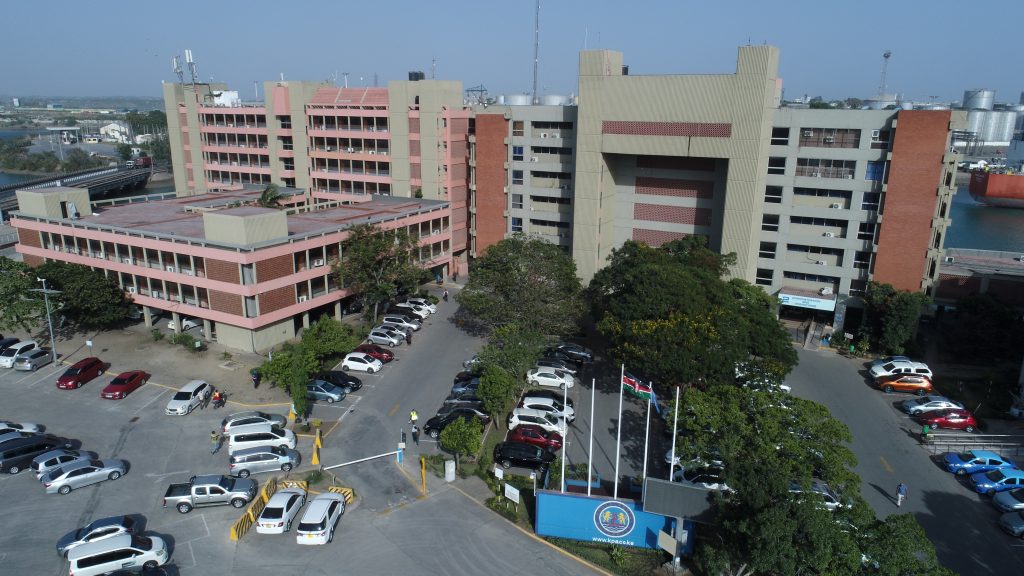


The Kenya Ports Authority plays a central role in Kenya’s economic engine, acting as the backbone of maritime trade not only for the country but also for much of East and Central Africa. As a state corporation, the authority is entrusted with the responsibility of managing, operating, and regulating Kenya’s scheduled seaports along the Indian Ocean coastline. These ports serve as vital gateways for imports and exports, supporting industries, regional trade corridors, and national development priorities.
Since its establishment, Kenya Ports Authority has evolved into a strategic institution that supports Kenya’s ambition to become a regional logistics and maritime hub. Through continuous investment in infrastructure, modernization of port operations, and partnerships with both local and international stakeholders, the authority has helped transform Kenya’s ports into critical links within global supply chains. The Port of Mombasa, in particular, stands out as one of the busiest and most important ports in Africa, serving landlocked countries such as Uganda, Rwanda, South Sudan, and parts of the Democratic Republic of Congo.
Beyond cargo handling, Kenya Ports Authority influences employment, urban development, tourism, and even sports through its subsidiary activities. Its mandate extends well beyond ships and containers, touching multiple layers of Kenya’s economic and social fabric. Understanding the role of Kenya Ports Authority therefore provides insight into how Kenya connects with the world and how infrastructure shapes national progress.
Overview of Kenya Ports Authority
Kenya Ports Authority was formed in 1978 through an Act of Parliament, consolidating port operations under a single national body. The authority operates under the jurisdiction of the Government of Kenya and falls under the parent oversight of the Ministry of Transport. Its core mandate is to maintain, operate, improve, and regulate all scheduled seaports within Kenya.
The authority’s responsibilities include marine services, cargo handling, port development, safety and security, and environmental management. Over the years, Kenya Ports Authority has positioned itself as both a regulator and an operator, balancing commercial efficiency with public interest obligations. This dual role has shaped its policies, investments, and long-term strategies.
Strategic Location and Port Network
The headquarters of Kenya Ports Authority are located within the Port of Mombasa on Mombasa Island along the Kenyan coast. This location places the authority at the heart of Kenya’s maritime operations. In addition to its headquarters, the authority maintains offices and operational facilities across several coastal and inland locations.
Kenya Ports Authority manages multiple seaports along the Indian Ocean, including Mombasa, Lamu, Malindi, Kilifi, Mtwapa, Shimoni, Funzi, Kiunga, and Vanga. Each of these ports serves a distinct economic and logistical function. While some handle international commercial cargo, others support fishing, tourism, or regional trade activities.
Inland operations are also a key part of the authority’s footprint. Facilities such as the Nairobi Inland Container Depot, Naivasha dry port, Eldoret dry port, and Kisumu port extend port services closer to the hinterland. These inland nodes reduce congestion at the coast and improve cargo movement efficiency for regional trade partners.
Port of Mombasa and Kilindini Harbour
The Port of Mombasa, centered around Kilindini Harbour, is the flagship facility under Kenya Ports Authority. It is Kenya’s primary gateway for international trade and one of the busiest ports on the African continent. The port handles a wide range of cargo, including containerized goods, bulk cargo, oil and petroleum products, and general cargo.
Kilindini Harbour’s deep-water characteristics allow it to accommodate large vessels, making it suitable for modern shipping requirements. Continuous dredging, berth expansion, and equipment upgrades have enabled the port to keep pace with growing cargo volumes. As a result, the port has become a critical hub for transit cargo destined for neighboring countries.
The efficiency of the Port of Mombasa directly affects the cost of doing business in the region. Delays, congestion, or operational inefficiencies have ripple effects across supply chains. Recognizing this, Kenya Ports Authority has invested heavily in automation, port community systems, and coordination with customs and logistics agencies.
Role in Regional and International Trade
Kenya Ports Authority serves not only Kenya but also several landlocked countries in East and Central Africa. Uganda, Rwanda, Burundi, South Sudan, and eastern parts of the Democratic Republic of Congo rely heavily on Kenyan ports for access to global markets. This regional role gives Kenya strategic influence in trade and logistics.
The authority works closely with regional bodies and corridor authorities to ensure smooth transit of goods. By supporting initiatives such as the Northern Corridor, Kenya Ports Authority contributes to regional integration and economic cooperation. Improved port efficiency translates into faster clearance times, lower transport costs, and increased competitiveness for regional economies.
At the international level, the authority interacts with global shipping lines, port operators, and logistics companies. These relationships influence shipping routes, freight rates, and Kenya’s position within global maritime networks.
Investment in Shipping and Ferry Services
Kenya Ports Authority is also an investor in the Kenya National Shipping Line, a state-linked corporation formed to enhance Kenya’s participation in maritime transport. Through this investment, the authority supports national interests in shipping, cargo ownership, and maritime capacity building.
Ferry services have historically fallen under the authority’s scope as well. In 1989, ferry operations, including the Likoni Ferry in Mombasa, were consolidated under a subsidiary known as Kenya Ferry Services. This move aimed to improve safety, efficiency, and regulation of ferry transport. In 1998, Kenya Ferry Services was restructured into an independent state corporation, although Kenya Ports Authority retained a minority ownership stake.
These investments reflect the authority’s broader view of maritime transport as an integrated system rather than isolated port operations.
Lamu Port and the LAPSSET Vision
One of the most ambitious projects associated with Kenya Ports Authority is the development of Lamu Port as part of the Lamu Port-South Sudan-Ethiopia Transport Corridor, commonly known as LAPSSET. This mega infrastructure initiative aims to open up northern Kenya while strengthening trade links with Ethiopia and South Sudan.
In 2014, Kenya Ports Authority signed a major agreement with China Communications Construction Company for the construction of new berths at Lamu Port. Once fully developed, the port is expected to have dozens of berths, positioning it as a major alternative gateway alongside Mombasa.
Lamu Port is designed to handle large vessels and support oil, gas, and bulk cargo operations. Its development is closely tied to pipelines, highways, railways, and industrial zones under the LAPSSET corridor. For Kenya Ports Authority, Lamu represents a long-term strategic investment that could reshape regional trade patterns.
Governance and Leadership Structure
Kenya Ports Authority operates under a structured governance framework typical of Kenyan state corporations. The authority is overseen by a board of directors, chaired by a government-appointed chairperson. Day-to-day operations are managed by a chief executive officer supported by senior management teams responsible for various operational and administrative functions.
This governance structure aims to balance accountability, commercial performance, and public service delivery. Leadership decisions directly affect port efficiency, investment priorities, and stakeholder relations. As such, governance reforms and leadership changes often attract national attention.
Social, Economic, and Community Impact
Beyond trade and logistics, Kenya Ports Authority has a visible social and economic footprint. The authority is a major employer, particularly in coastal regions, providing jobs in operations, engineering, security, and administration. Indirect employment through logistics, transport, and related services further amplifies its economic impact.
The authority also supports sports and community development initiatives. Ownership of teams such as Bandari FC reflects its role in social engagement and local identity, especially in Mombasa and surrounding areas.
Environmental management has also become an increasingly important part of the authority’s mandate. Port operations affect marine ecosystems, coastal communities, and urban environments. As a result, Kenya Ports Authority has had to adopt policies and practices aimed at sustainability, pollution control, and climate resilience.
Challenges and Future Outlook
Like many port authorities globally, Kenya Ports Authority faces challenges related to congestion, competition, governance, and technological change. Regional competition from ports in Tanzania and Djibouti places pressure on Kenya to remain efficient and cost-effective. At the same time, growing cargo volumes demand continuous investment in infrastructure and human capacity.
Digital transformation is another critical area. Automation, data integration, and cybersecurity are becoming essential for modern port operations. Kenya Ports Authority’s ability to adapt to these trends will influence its future relevance.
Looking ahead, the authority’s success will depend on how well it balances expansion with efficiency, public responsibility with commercial discipline, and national priorities with regional obligations. As Kenya continues to position itself as a gateway to Africa, Kenya Ports Authority will remain a central player in shaping that vision.