

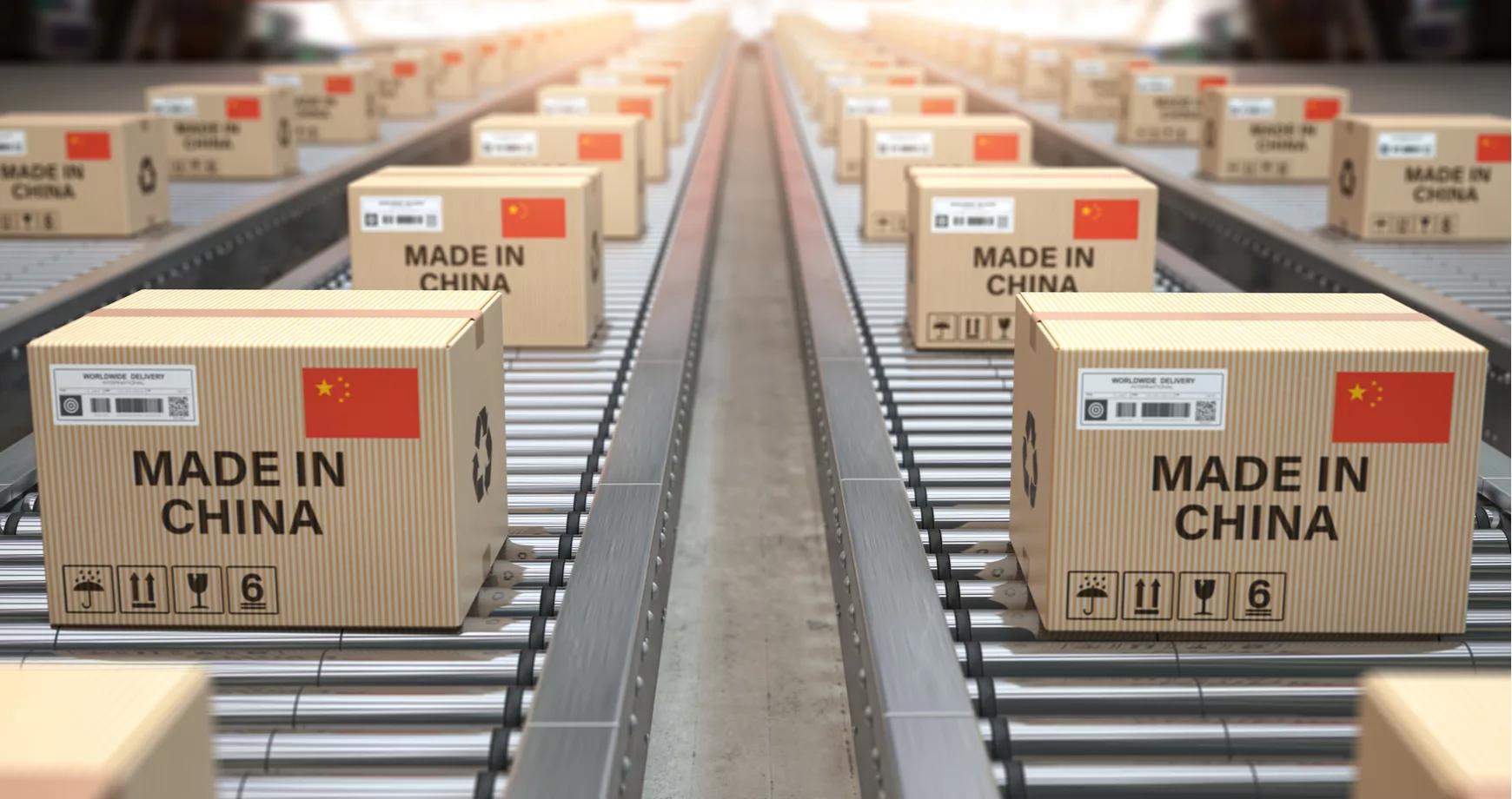
Introduction to How to Import Electronics from China to Kenya
Importing electronics from China to Kenya has become a lucrative business opportunity due to the high demand for affordable electronic devices like smartphones, laptops, home appliances, and accessories. Kenya’s growing middle class and tech-savvy population create a vast market for electronics. However, successful importing requires understanding import regulations, choosing reliable suppliers, and selecting the right shipping methods. This guide covers the essential steps and tips for importing electronics from China to Kenya while ensuring compliance with Kenyan laws and maximizing profits.
Understanding Import Regulations in Kenya
Before importing electronics, it’s important to familiarize yourself with the import regulations in Kenya. Adhering to these rules helps avoid legal issues and delays at customs.
1. Customs Regulations for Electronics Import
All electronics imported into Kenya must meet certain customs requirements. The customs process involves the verification of product details, payment of duties, and adherence to local standards. Importers must register with the Kenya Revenue Authority (KRA) and obtain a tax identification number.
Required Documents:
- Import Declaration Form (IDF): This form must be processed before shipment and carries a fee of 2.25% of the CIF (Cost, Insurance, and Freight) value, with a minimum fee of Ksh 5,000.
- Invoice and Packing List: Essential for verifying product details during customs clearance.
2. Import Duties and Taxes on Electronics
Kenya imposes various taxes on imported electronics:
- Import Duty: Varies from 0% to 25%, depending on the type of electronics (e.g., computers and laptops may attract 0%, while other electronics may attract 10–25%).
- Value Added Tax (VAT): 16% of the total CIF value, including import duty.
- Excise Duty: 10% (for mobile phones and some other electronics).
- Railway Development Levy (RDL): 1.5% of the CIF value.
- Import Declaration Fee (IDF): 2.25% of the CIF price.
3. Compliance with KEBS and PVOC Requirements
The Kenya Bureau of Standards (KEBS) ensures that all imported electronics meet safety and quality standards. Before shipping, electronics must undergo pre-shipment verification to ensure compliance with KEBS regulations.
Required Steps:
- Obtain a Certificate of Conformity (CoC) from recognized agencies like SGS, Bureau Veritas, or Intertek.
- Ensure electronics meet Kenya’s KS (Kenya Standards) for safety and performance.
- Receive a KEBS Import Standardization Mark (ISM) for retail sales in Kenya.
Choosing the Right Electronics Supplier
Selecting a trustworthy supplier is crucial for ensuring product quality, fair pricing, and timely delivery. Here’s how you can find reliable suppliers:
Where to Source Electronics from China
There are several platforms and markets in China where you can find reputable electronics suppliers:
- Alibaba: The largest online marketplace offering competitive prices and business assurances.
- Global Sources: A B2B platform that connects you with verified manufacturers.
- Made-in-China: Another popular platform for sourcing electronics from China.
- Yiwu Market: Known for cheap electronics, ideal for small-scale importers.
- Canton Fair: A major trade fair in China where you can meet manufacturers, inspect products, and negotiate deals.
How to Vet Suppliers and Avoid Scams
To avoid fraud and substandard products, verify the credibility of your supplier by:
- Checking reviews and ratings on platforms like Alibaba.
- Requesting business licenses and export certificates.
- Ordering samples before placing bulk orders to check product quality.
- Using secure payment methods like PayPal or Trade Assurance to protect your investment.
- Auditing a supplier’s factory or using third-party verification services like SGS.
Risks of Counterfeit and Substandard Products
Counterfeit electronics can be a serious risk. To minimize this risk:
- Stick to gold suppliers and verified manufacturers.
- Avoid deals that seem too good to be true, especially those offering very low prices.
- Request product warranties and after-sales support to ensure quality.
Shipping Options and Costs
Once you’ve sourced your electronics, choosing the right shipping method is key to balancing cost and delivery time.
1. Air Freight: Fast but Expensive
Air freight is the fastest shipping method, ideal for small, high-value electronics like smartphones and laptops.
Pros of Air Freight:
- Fast delivery (5–10 days).
- Reliable and secure with less risk of damage.
Cons of Air Freight:
- Expensive for bulk shipments.
- Limited capacity for large volumes.
Shipping Costs (Air Freight):
- From China to Kenya: $5–$10 per kg.
2. Sea Freight: Cost-Effective for Bulk Orders
Sea freight is cheaper than air freight and suitable for bulk imports of large electronics like home appliances.
Pros of Sea Freight:
- Cost-effective for bulk orders.
- Higher capacity for large shipments.
Cons of Sea Freight:
- Longer delivery time (30–45 days).
- Requires customs clearance at Mombasa Port.
Shipping Costs (Sea Freight):
- 20ft Container: $3,000–$4,500.
- 40ft Container: $5,000–$7,000.
3. Courier Services (DHL, FedEx, UPS, Aramex)
Courier services are best for small and urgent shipments, offering door-to-door delivery.
Pros of Courier Services:
- Fast delivery (3–7 days).
- Door-to-door service with tracking.
Cons of Courier Services:
- Expensive for large shipments.
Shipping Costs (Courier Services):
- From China to Kenya: $10–$20 per kg, depending on the provider.
Comparison of Shipping Methods for Electronics Import
| Feature | Air Freight | Sea Freight | Courier Services |
|---|---|---|---|
| Delivery Time | 5–10 days | 30–45 days | 3–7 days |
| Cost | $5–$10 per kg | Lower, per CBM | $10–$20 per kg |
| Best For | Small, high-value items | Bulk shipments | Urgent small shipments |
| Pros | Fast, secure, reliable | Cost-effective for large volumes | Door-to-door, tracking |
| Cons | Expensive for bulk | Slow, customs clearance required | Expensive for heavy shipments |
| Suitable Products | Smartphones, laptops | Large home appliances | Small electronics, samples |
How to Reduce Shipping Costs
- Consolidate Orders: Combine multiple orders into one shipment to reduce per-unit shipping costs.
- Use Sea Freight for Bulk Orders: Sea freight is much cheaper for large shipments compared to air freight.
- Negotiate with Freight Forwarders: Work with shipping companies for better rates, especially for regular shipments.
Importing Process: Step-by-Step Guide
Follow these steps to successfully import electronics from China to Kenya:
Step 1: Identify the Right Products
Choose electronics that are in demand in the Kenyan market. Popular items include smartphones, laptops, and accessories. Research taxes and duties applicable to your selected products.
Step 2: Find a Reliable Supplier
Source electronics from trusted suppliers on platforms like Alibaba or through trade fairs. Verify their credentials, read reviews, and request product samples.
Step 3: Place Your Order and Pay
Once you’ve selected a supplier, agree on pricing, quantity, and payment terms. Use secure payment methods to protect your investment.
Step 4: Choose a Shipping Method
Select the most suitable shipping method based on your shipment size, urgency, and budget. Air freight is fast but costly, while sea freight is more economical for bulk orders.
Step 5: Prepare Import Documents
Ensure you have all the necessary documentation, including invoices, packing lists, and the Import Declaration Form (IDF), before your shipment arrives in Kenya.
Step 6: Clear Customs in Kenya
Work with a licensed clearing agent to ensure smooth customs clearance. Pay import duties, taxes, and ensure compliance with KEBS regulations.
Common Challenges and How to Overcome Them
1. Delays in Shipping and Customs Clearance
- Solution: Ensure all documents are prepared and submit them in advance to avoid delays at customs.
2. Hidden Costs and Unexpected Expenses
- Solution: Work with reliable suppliers and freight forwarders. Always plan for buffer funds to cover unexpected costs.
3. Product Quality Issues
- Solution: Vet suppliers thoroughly, request samples, and use secure payment methods.
4. Risk of Counterfeit Electronics
- Solution: Buy from verified manufacturers and insist on quality certifications like CE, RoHS, and CoC.
5. Language and Communication Barriers
- Solution: Use clear English in communications or work with sourcing agents familiar with Chinese suppliers.
Tips for a Successful Import Business
- Work with Reliable Freight Forwarders: Choose experienced agents to manage your shipping and customs clearance.
- Stay Updated on Import Regulations: Regularly check updates from KEBS and KRA to ensure compliance.
- Diversify Your Suppliers: Avoid relying on a single supplier; diversify to ensure product availability and competitive pricing.
- Buy Wholesale for Better Deals: Bulk buying reduces costs and increases profit margins.
- Maintain Product Quality and Customer Trust: Ensure that products meet quality standards and provide excellent customer service.
- Develop a Strong Marketing Plan: Use social media and digital marketing to reach a wide audience and build your brand.
Conclusion
Importing electronics from China to Kenya can be a profitable business venture. By following the proper import regulations, choosing reliable suppliers, and using the best shipping methods, you can successfully navigate the complexities of the import process. Be mindful of the risks associated with counterfeit products and customs delays, and use strategic planning to minimize costs and maximize returns.


