


Android 16, the latest iteration of Google’s mobile operating system, has been steadily adopted since its launch in June of the previous year. However, despite the seven-month gap since its release, you might wonder just how many Android devices have already received the update. Understanding the adoption rates for Android 16 offers some insight into the broader Android ecosystem and the challenges device makers face in updating their products.
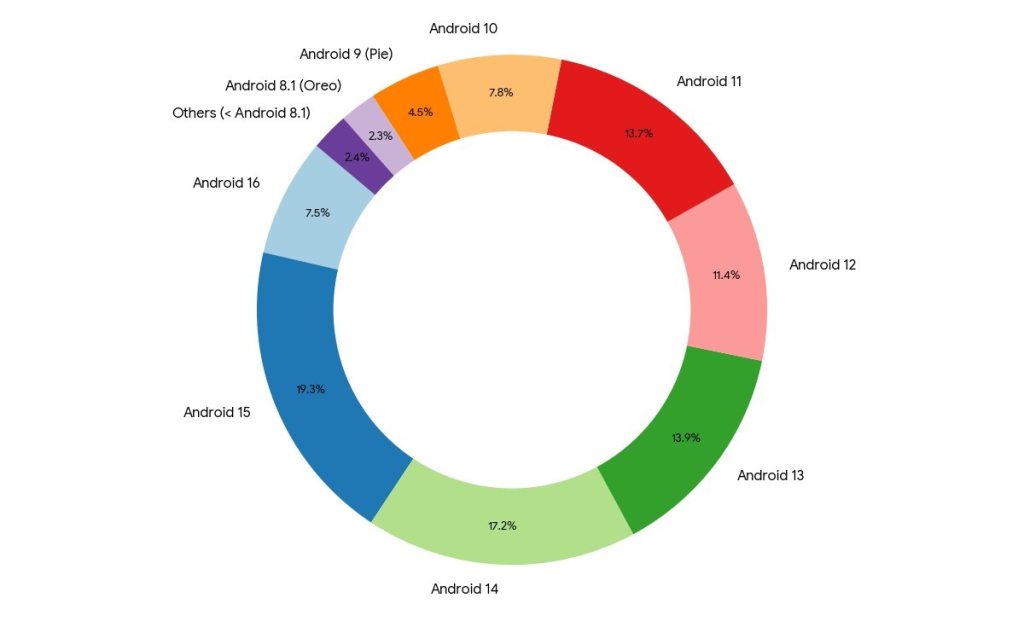
According to Google’s Android version distribution chart, updated with data from December 1, 2025, Android 16 is currently running on 7.5% of all active Android devices. While this figure might seem modest compared to Apple’s iOS adoption rates, it is essential to consider the complexities of Android’s open ecosystem. Android updates must go through various device manufacturers, each with its own update schedules and testing phases, making the process much more intricate.
Android 16 Adoption: A Slow but Steady Start
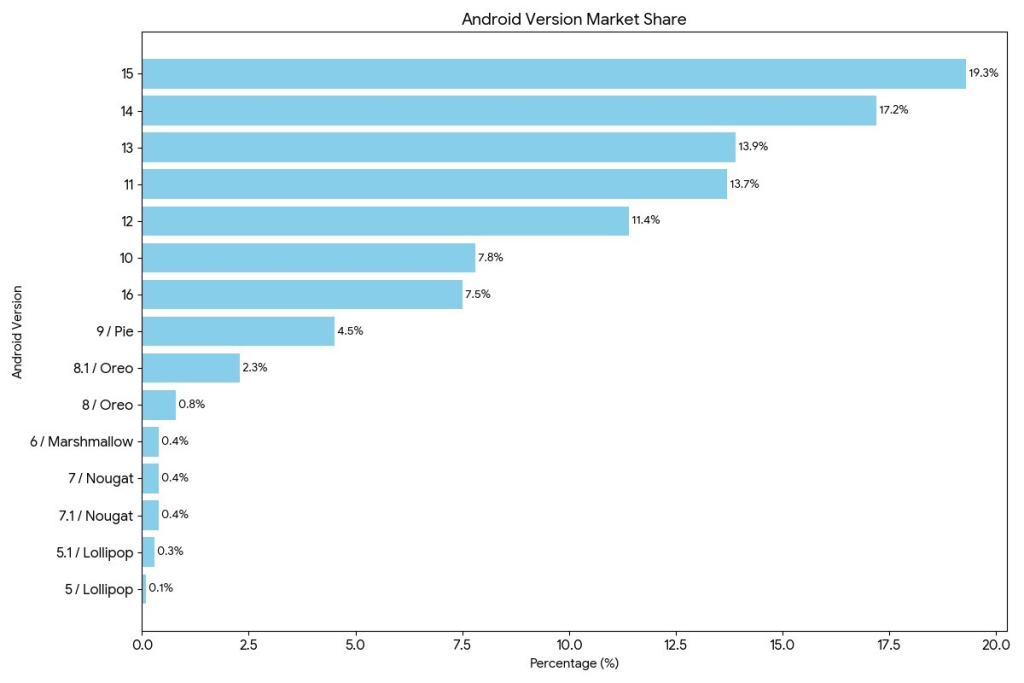
Google’s data suggests that Android 16 adoption is still in its early stages. The latest version of the operating system lags behind Android 15, which currently holds the largest share of the Android market at 19.3%. Android 14 follows closely with 17.2%, while Android 13 retains 13.9%. Notably, Android 16’s 7.5% adoption rate places it in seventh position in the ranking, with older versions like Android 11, Android 12, and Android 10 still being used by a significant portion of users.
This slower adoption is typical for the Android ecosystem, given the wide range of devices that use the platform. Unlike Apple’s tightly controlled ecosystem, Android supports a broad spectrum of devices from dozens of manufacturers, each with different hardware configurations and software customization layers. Therefore, updating devices to a new Android version can take longer, and adoption rates typically increase over several months as manufacturers push out updates to their users.
The Road to Widespread Android 16 Adoption
Although Android 16’s adoption rate is currently modest, it is expected to rise steadily over the coming months. As more manufacturers roll out Android 16 updates to their devices, the percentage of users running the latest OS will continue to grow. However, the slow pace of adoption is a common trend with Android updates.
The fact that Android 16 is in seventh place on the distribution chart reflects the broader Android update landscape. Users of older versions such as Android 11 and Android 12 are often content with their current software, and many devices, especially older models, may not even receive the latest updates. This fragmented update cycle, while frustrating for some, is part of what makes the Android ecosystem so diverse and accessible to a range of consumers.
Android Update Complexity
The issue of Android’s slow update process is not new, and it’s one that has been criticized for years. Android’s open-source nature means that manufacturers have the freedom to customize their devices, but this also complicates the update process. Each manufacturer needs to test and tailor the updates to fit the unique features and specifications of their devices, and this can lead to delays in releasing the latest Android versions.
In contrast, Apple’s iOS updates are generally rolled out to all supported devices at the same time. This centralized approach allows Apple to achieve higher adoption rates for its new operating systems, with most iPhone and iPad users upgrading to the latest version within a few months of release. The fragmented nature of Android updates, however, makes it harder to achieve similar adoption speeds.
The Future of Android 16
As more Android devices are updated to Android 16, the adoption rate will likely continue to climb. Historically, Android adoption rates grow as older versions phase out and manufacturers push out updates to a more significant number of devices. In the next few months, we can expect Android 16 to capture a larger share of the market as the number of compatible devices increases.
While Android 16 adoption may seem slow compared to other platforms, the open nature of Android provides consumers with many options for devices at various price points. As manufacturers release more devices with Android 16, the update will gradually become more widespread. The challenge, however, remains for manufacturers to speed up the update process, ensuring that users can benefit from the latest features and security patches as soon as they are available.


