


The flags of Kenya represent far more than decorative symbols. They are visual records of power, identity, authority, and historical transition. From indigenous resistance movements to colonial administration and finally to independent statehood, each flag associated with Kenya tells a specific story about governance, struggle, and sovereignty. Together, these flags form a layered historical archive expressed through color, emblem, and design.
Kenya’s modern flag is widely recognized across the world, yet it exists within a much broader family of flags that have flown over the territory at different moments in history. These include military flags, presidential standards, colonial ensigns, and flags associated with foreign rule. Each reflects the political reality of its time and the authority it represented.
Understanding the flags of Kenya requires placing them within historical context. Before independence, various foreign powers controlled parts of the Kenyan coast and interior, each imposing its own flag as a symbol of rule. After independence, Kenya developed its own national, military, and presidential flags to reflect sovereignty and state authority.
Today, the flags of Kenya continue to serve ceremonial, administrative, and symbolic purposes. They appear at state functions, military installations, public institutions, and international events. As such, they remain powerful markers of continuity between Kenya’s past and present.
National Flag of Kenya


6
Flag of Kenya
The national flag of Kenya has been in use since independence and is one of the most symbolically rich flags in Africa. Its design draws directly from the liberation movement that led Kenya to self-rule.
The flag consists of three horizontal bands of black, red, and green separated by thin white stripes. At the center sits a traditional Maasai shield crossed by two white spears.
Each color carries specific meaning. Black represents the people of Kenya. Red symbolizes the blood shed during the struggle for freedom. Green reflects the country’s natural wealth and fertile land. The white stripes signify peace and unity following independence.
The shield and spears emphasize defense, resilience, and the readiness of the nation to protect its sovereignty. This imagery reflects both indigenous heritage and modern statehood.
The national flag is flown at government buildings, schools, and during national holidays. It is protected under Kenyan law, and misuse or desecration may attract penalties.
Military Flags of Kenya


Defence Forces Flag
The Defence Forces flag represents the unified command of the Kenya Defence Forces. It symbolizes national defense, discipline, and constitutional loyalty. The flag is used during joint military ceremonies and official functions.
Kenya Air Force Flag
The Air Force flag represents Kenya’s aerial defense arm. It is flown at airbases, parades, and official air force ceremonies. The design emphasizes aviation authority and national security.
Kenya Navy Ensign
The naval ensign is used by Kenya’s maritime forces. It is flown aboard naval vessels and at coastal military installations. The flag signifies sovereignty over territorial waters and maritime security.
Presidential Colour of the Navy
This flag is flown when the President of Kenya, as Commander-in-Chief, is present aboard a naval vessel or installation. It represents supreme civilian authority over the armed forces.
Presidential Flags of Kenya

Role of Presidential Standards
Presidential flags in Kenya, commonly referred to as presidential standards, symbolize executive authority. Each standard is associated with the presidency during a specific administration and reflects continuity of office rather than personal ownership.
These flags are displayed at State House, official residences, and on vehicles or aircraft carrying the president.
First Presidential Standard
The first presidential standard was used in the early years after independence. It established the visual authority of the presidency as an institution separate from colonial governance.
Presidential Standard of Jomo Kenyatta
Under Jomo Kenyatta, the presidential standard reflected foundational leadership and the consolidation of state authority during the formative years of the republic.
Presidential Standard of Daniel arap Moi
During the presidency of Daniel arap Moi, the standard remained a symbol of continuity while accompanying significant political and constitutional change.
Presidential Standard of Mwai Kibaki
The standard used during the presidency of Mwai Kibaki symbolized institutional reform, economic recovery, and constitutional transition.
Presidential Standard of Uhuru Kenyatta
Under Uhuru Kenyatta, the presidential standard continued to represent executive authority during a period of infrastructural expansion and political realignment.
Presidential Standard of William Ruto
The current presidential standard represents the presidency of William Ruto. It is flown at official functions and signifies continuity of the Kenyan state.
Flags of Foreign Rule in Kenya
Portuguese Flags on the Kenyan Coast


Portuguese flags were among the earliest foreign flags flown over parts of present-day Kenya. These flags symbolized Portuguese control over coastal trade routes and forts, particularly around Mombasa.
The design typically featured a white field with the Portuguese coat of arms at the center, representing monarchical authority and maritime empire.
Omani Empire Flag


After expelling the Portuguese, the Omani Empire established control over the Kenyan coast. The Omani flag symbolized Arab governance, Islamic authority, and control of Indian Ocean trade.
German Wituland and German East Africa Flags
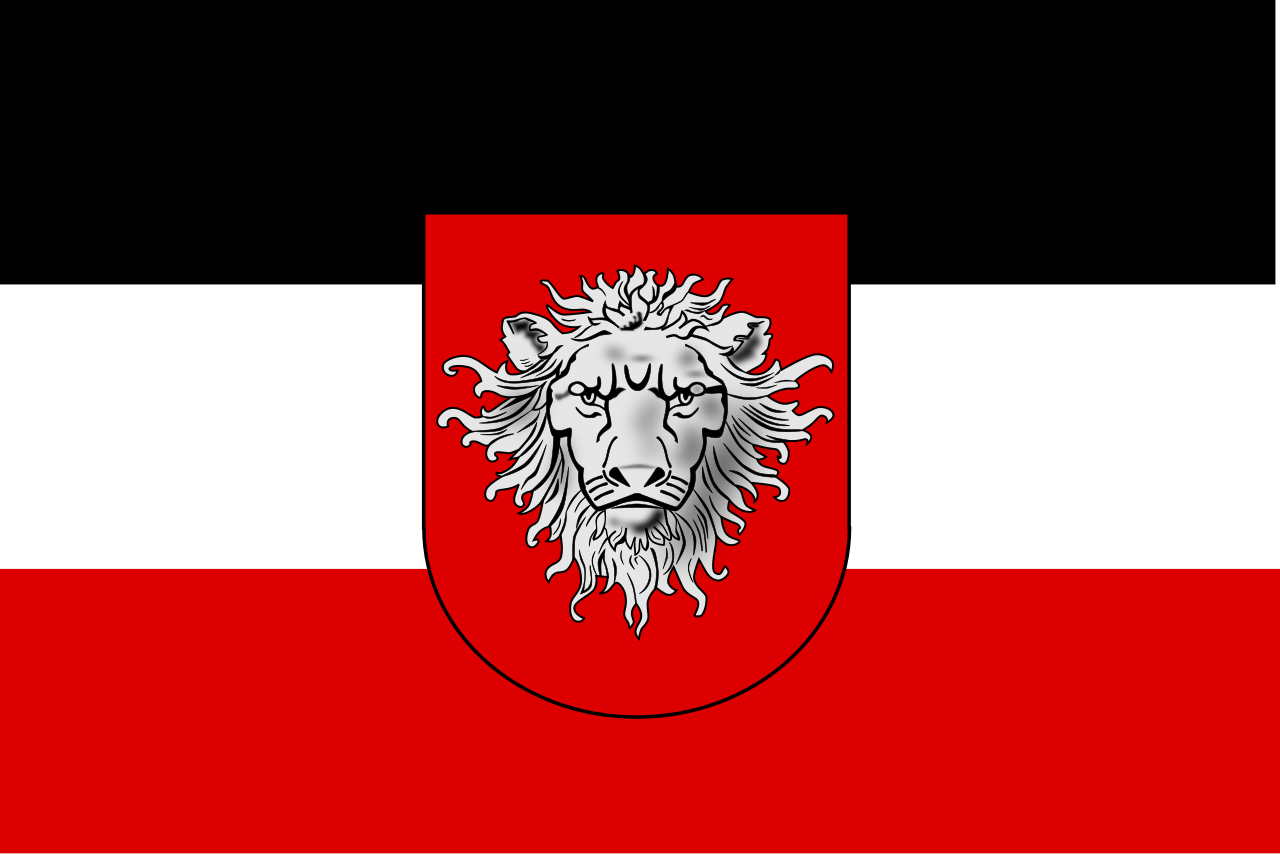


German flags were briefly flown in northern coastal regions during the late nineteenth century. These flags represented colonial claims rather than deep administrative control.
British East Africa Company Flags


The British East Africa Company used modified British ensigns to assert commercial and administrative authority. These flags marked the transition from commercial rule to formal colonial governance.
British East Africa Protectorate and Kenya Colony Flags


British colonial flags featured the Union Jack with local emblems. These flags symbolized imperial authority and remained in use until independence.
Italian Occupation Flag
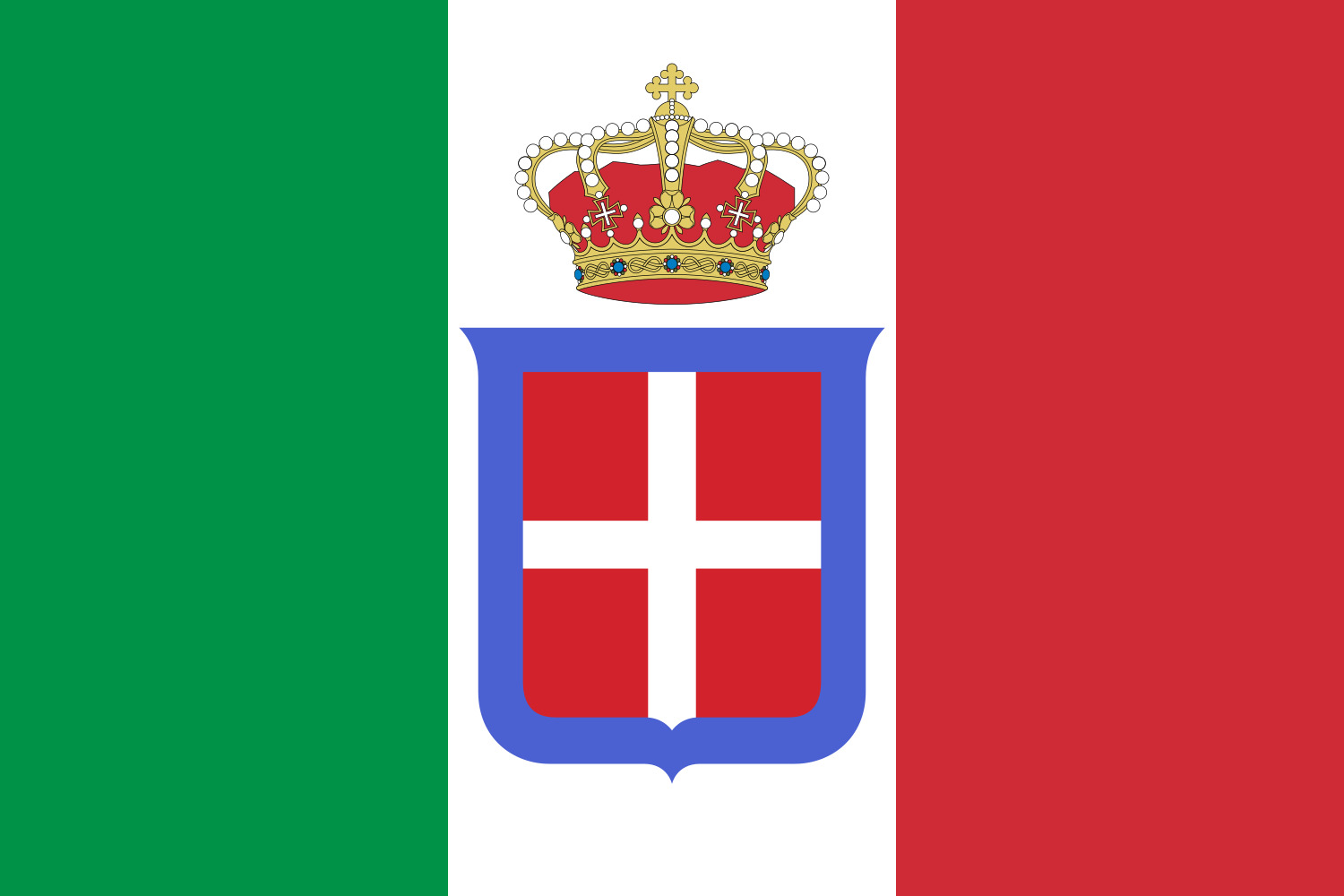


During World War II, Italian forces briefly occupied parts of Kenya. The Italian tricolour with the Savoy shield represented fascist military authority during this short period.
County and City Flags in Kenya
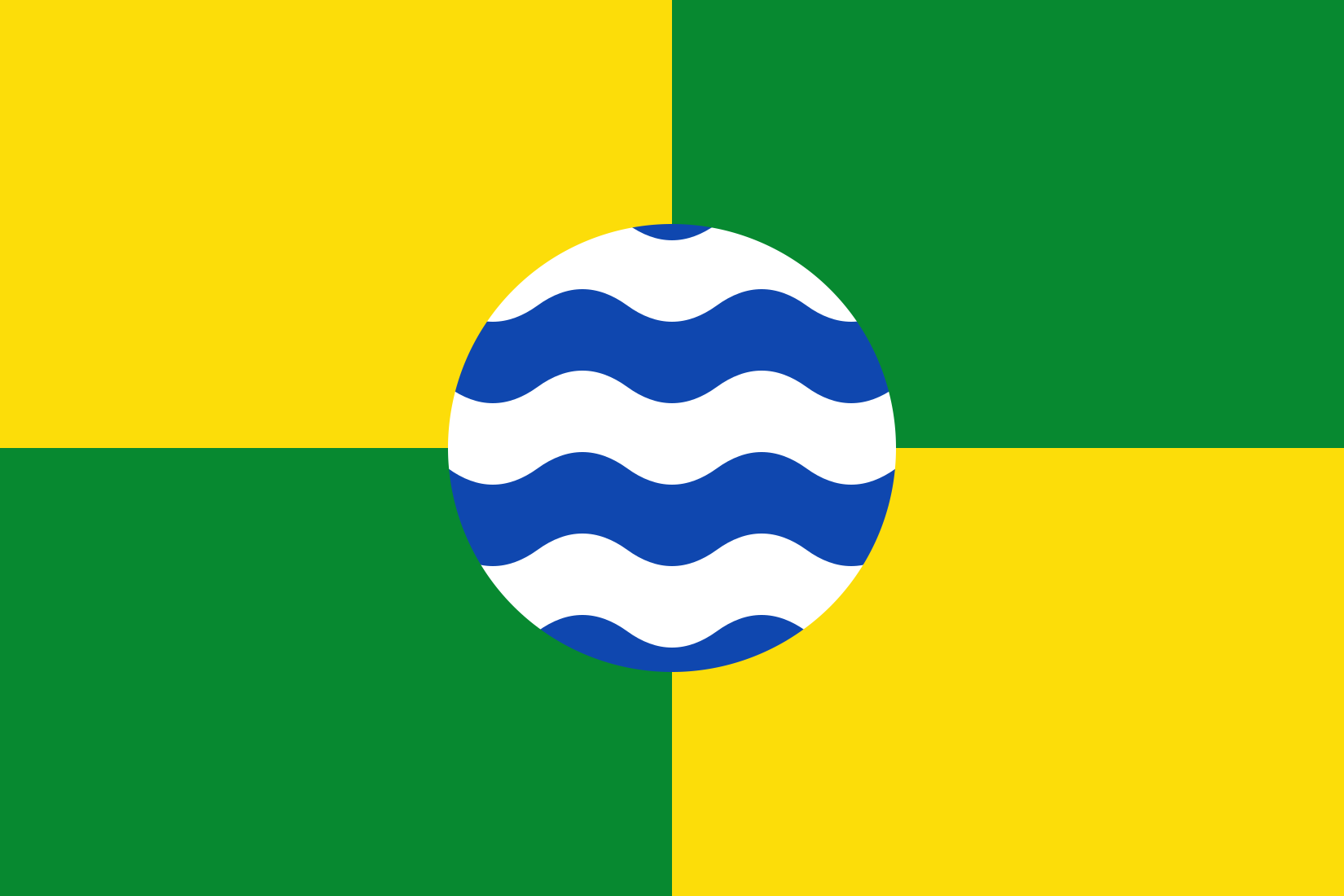


Flag of Nairobi
The Nairobi city flag features heraldic imagery symbolizing governance, water, and growth. It reflects Nairobi’s role as Kenya’s capital and administrative center.
County flags across Kenya serve to represent devolved governance, local identity, and cultural heritage. These flags are used at county headquarters and during official functions.
Use and Protocol of Flags in Kenya
The flags of Kenya are governed by strict protocol. The national flag takes precedence over all others and must be flown in a dignified manner. Military and presidential flags follow established hierarchical order.
Flags are raised during national holidays, state functions, and official ceremonies. Incorrect display or damage may constitute an offense under Kenyan law.
Entry Fees or Charges
There are no entry fees associated with viewing or learning about the flags of Kenya. Public access to flag displays at government buildings, museums, and public ceremonies is free.
However, access to certain historical sites, museums, or forts where historical flags are displayed may involve standard admission charges set by managing authorities.


