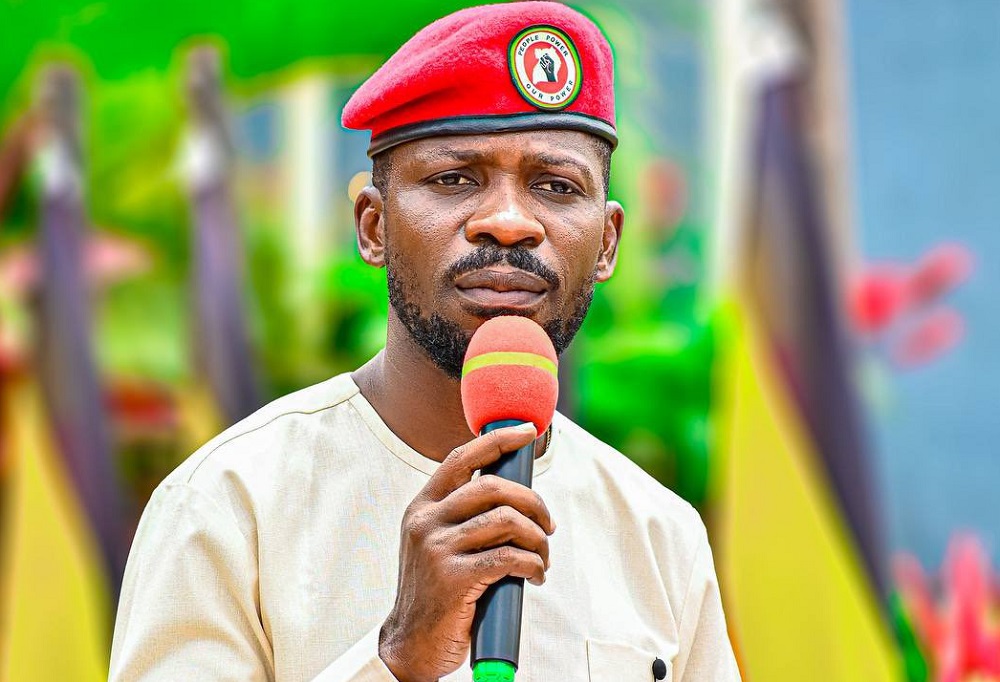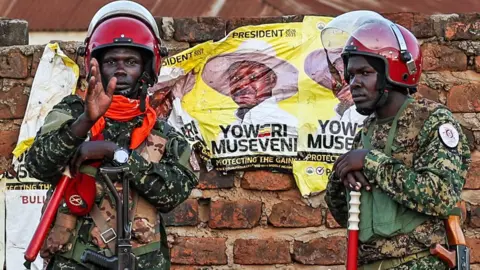

Ugandan opposition leader Bobi Wine was placed under house arrest on Friday, a day after national elections that preliminary results indicate heavily favored President Yoweri Museveni. The move immediately heightened political tensions, as security forces surrounded Wine’s residence following a highly contested vote.
According to figures released by the Electoral Commission with roughly a quarter of ballots counted, Museveni was leading with about 76 percent of the vote. The results position the long-serving leader to extend his rule beyond four decades, a prospect that has sparked frustration among opposition supporters and civil society groups.
The election unfolded against a backdrop of widespread anxiety. Authorities imposed an internet shutdown during the voting period, disrupting communication and limiting independent reporting. Critics say such measures are increasingly used to suppress dissent and control the political narrative during sensitive moments.
Bobi Wine, whose real name is Robert Kyagulanyi Ssentamu, has emerged as a central figure in Uganda’s opposition politics. At 43, the former pop star has mobilized large numbers of young voters with calls for accountability, democratic reforms, and economic opportunity. His rise has also brought repeated confrontations with state security forces, including arrests and restrictions on his movement.
Election day itself was marked by logistical problems. Reports from several regions cited delayed delivery of voting materials and malfunctioning biometric verification machines. Opposition leaders argued that these disruptions disproportionately affected urban areas and strongholds where support for change is strongest.
While final presidential and parliamentary results are expected soon, many Ugandans say the atmosphere surrounding the vote has already shaped public perception. For supporters of the opposition, the house arrest of Bobi Wine reinforces long-standing concerns about political freedoms. For others, it underscores the growing divide between a youthful population demanding reform and an entrenched political establishment determined to retain power.
As Uganda awaits official confirmation of the results, the country remains on edge, with domestic and international observers closely watching how authorities handle the post-election period.