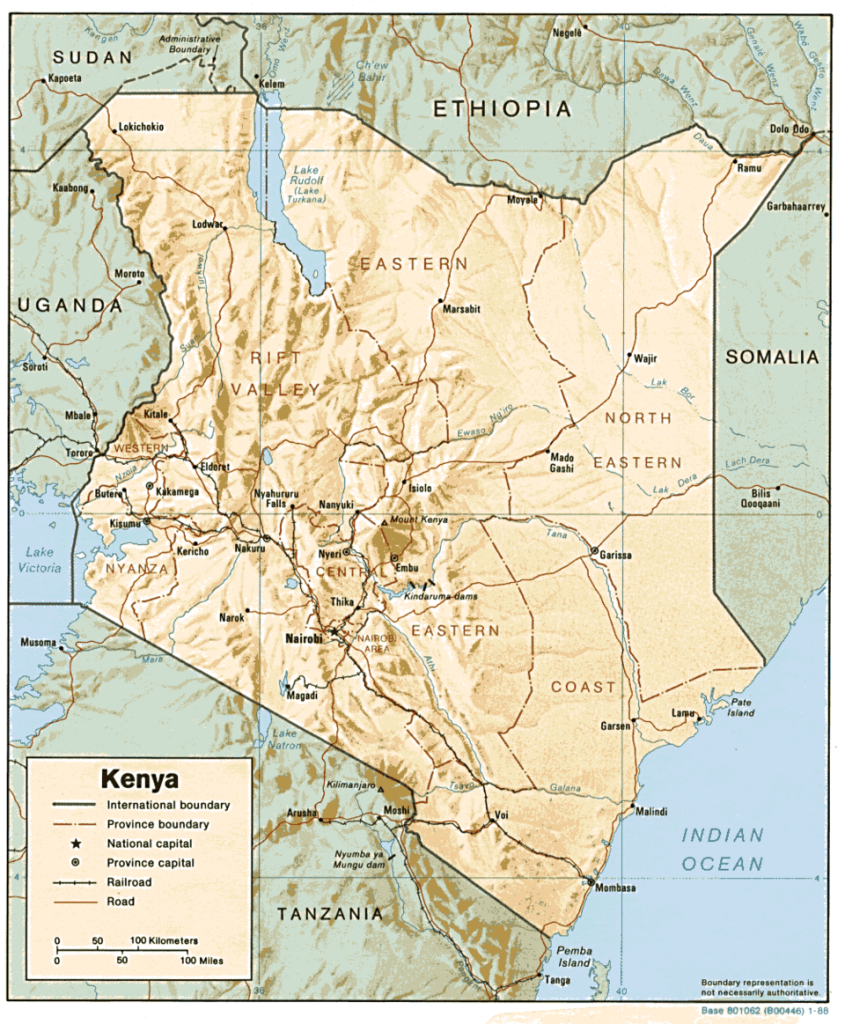


The 1899 famine in central Kenya remains a devastating historical event in the region, marked by severe food shortages, widespread suffering, and significant loss of life. The famine, which spanned from 1898 to 1900, was caused by a combination of adverse climatic conditions, including drought, locust infestations, and cattle diseases, which destroyed essential food sources and livelihoods.
The famine severely impacted the populations of Kikuyu, Maasai, Kamba, and Embu communities, leading to large-scale migration and social upheaval. It was exacerbated by the colonial presence and the construction of the Uganda Railway, which altered trade dynamics and contributed to resource depletion. The famine is seen as a precursor to colonial rule and contributed to social and economic reorganization, which entrenched the authority of the British in the region.
Key Factors Contributing to the Famine:
- Climatic Conditions: Several years of poor rainfall and the occurrence of El Niño and La Niña phenomena caused crop failure and food scarcity.
- Livestock Plague: The outbreak of rinderpest in 1891 decimated livestock populations, which were a critical source of food and wealth for many communities, especially the Maasai.
- Locust Swarms: Locusts destroyed crops, compounding the food shortage and making it harder for communities to recover.
- Colonial Influence: The introduction of European colonial systems, including the construction of the Uganda Railway, created new demands for resources, which further strained the local food supply.
Social and Economic Impact:
- Mass Migration: Many people migrated from affected areas, seeking refuge in regions with better resources, such as the fertile highlands. However, this migration often led to further tensions and violence.
- Cattle as Currency: Cattle, which were central to the social and economic life of many communities, became less available due to disease. Livestock were often sold or bartered for food, and families resorted to drastic measures to survive, including marrying off women in exchange for food.
- Economic Collapse: With food production severely disrupted, the economy of central Kenya faltered. Communities engaged in trade, but without enough food, even trade routes were disrupted. Some families resorted to hunting, but this often only provided limited relief.
The Smallpox Epidemic:
- The famine was accompanied by a smallpox epidemic that devastated both the weakened population and the more well-fed communities, exacerbating the death toll.
- The disease spread rapidly along newly constructed transportation routes, further diminishing the population and creating additional hardship.
Psychological and Social Effects:
- The famine led to widespread social breakdown, with individuals abandoning families, and community ties weakening. There were also reports of violence and theft as survival instincts took precedence.
- Women and children were particularly vulnerable, with some sold into slavery, while refugee camps became hotspots for disease and death.
Reorganization and Colonial Consolidation:
- The famine and its aftermath significantly influenced the colonial consolidation process. As people sought refuge, they gravitated towards European administrative stations that provided food. Missionary and colonial influence grew as they became key players in providing aid during the crisis.
- The Maasai and other communities who had previously been resistant to colonial rule were forced into labor, becoming part of the system that would fuel the economic engines of colonial Kenya.
Legacy:
The famine remains deeply embedded in Kenya’s collective memory. Historical studies, including those by Greet Kershaw, Godfrey Muriuki, and Charles Ambler, have emphasized its long-lasting impact on Kenyan society. The event led to the ethnicisation of relations and contributed to lasting displacement and social inequality. The trauma from this event continues to be felt in modern Kenya, as it was seen as a catalyst for colonial subjugation.
Conclusion:
The 1899 famine in central Kenya was a significant and tragic chapter in the country’s history, involving environmental, social, and colonial dynamics that led to profound suffering. It reshaped Kenya’s demographic, social, and political landscape, leaving an indelible mark on the collective consciousness of the nation.