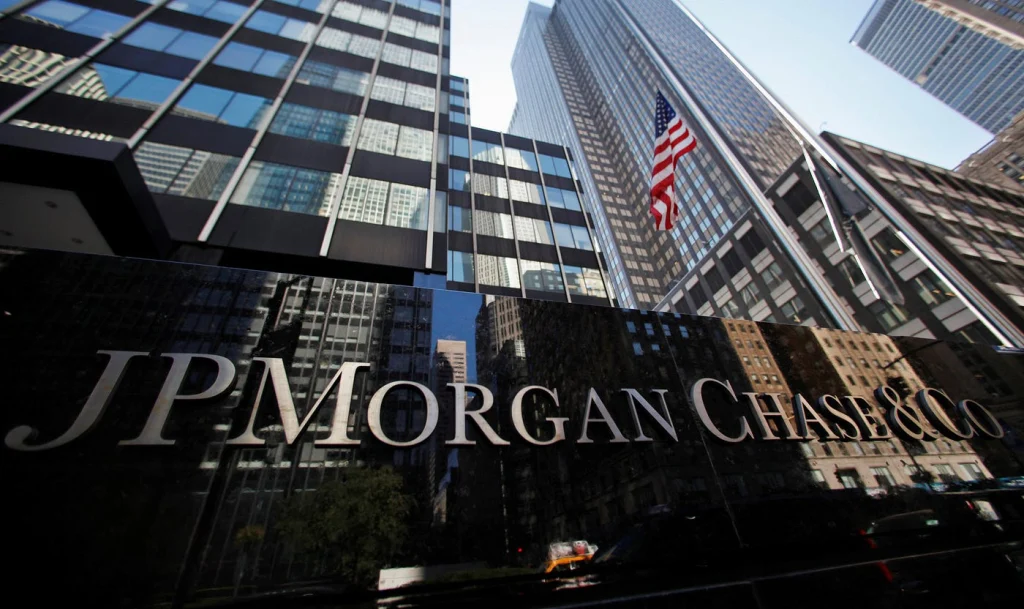


US largest banks dominate global finance and influence economic activity worldwide. With trillions in assets, these institutions support lending, investment, and financial markets across industries.
The US banking system remains one of the most developed globally. It includes thousands of institutions, yet a small group of major banks controls a significant share of total assets and financial power.
1. JPMorgan Chase
JPMorgan Chase ranks as the largest among US largest banks. Headquartered in New York, it holds over $4.5 trillion in assets.
The bank provides investment banking, retail banking, and asset management services. It serves corporations, governments, and individuals.
Its strength lies in its scale and global reach. It plays a central role in global financial markets.
2. Bank of America
Bank of America stands as one of the leading US largest banks. It operates across retail, corporate, and investment banking.
The bank offers loans, credit services, and wealth management solutions. It serves millions of customers nationwide.
Its advantage comes from its strong consumer banking presence and digital platforms.
3. Citigroup
Citigroup operates as a global financial institution with strong international operations.
The bank provides corporate banking, investment services, and cross-border financial solutions. It supports multinational clients.
Its relevance lies in its global network and international focus.
4. Wells Fargo
Wells Fargo remains a major player among US largest banks. It focuses on retail banking and mortgage services.
The bank offers loans, deposits, and financial advisory services. It serves households and small businesses.
Its strength lies in its extensive branch network and customer base.
5. Goldman Sachs
Goldman Sachs specializes in investment banking and asset management. It plays a key role in capital markets.
The bank offers advisory services, trading, and investment management. It serves institutional clients.
Its competitive advantage lies in its expertise in high-level finance.
6. Morgan Stanley
Morgan Stanley focuses on wealth management and investment banking.
The bank provides advisory services, trading, and asset management. It serves high-net-worth clients and corporations.
Its strength lies in its leadership in wealth management.
7. U.S. Bancorp
U.S. Bancorp is a major regional bank among US largest banks. It offers a wide range of financial services.
The bank provides retail banking, corporate services, and payment solutions.
Its advantage lies in its strong regional presence and operational efficiency.
8. Capital One
Capital One is known for its focus on credit cards and digital banking.
The bank offers consumer lending, credit services, and online banking solutions.
Its strength lies in its technology-driven approach.
9. PNC Financial Services
PNC Financial Services provides retail and corporate banking solutions.
The bank offers loans, deposits, and asset management services. It serves businesses and individuals.
Its advantage lies in its strong presence across multiple states.
10. Truist Financial
Truist Financial emerged from the merger of BB&T and SunTrust. It is one of the largest regional banks in the US.
The bank provides retail banking, corporate services, and investment solutions.
Its strength lies in its scale and diversified services.
What Makes a Bank the Best
Several factors define the strength of US largest banks. Financial size and stability remain key indicators. Banks must maintain strong capital and risk management systems.
Digital innovation also plays a major role. Customers expect seamless online banking and fast transactions.
Customer experience remains essential. Banks that provide efficient services and broad product offerings gain a competitive advantage.
Analysis of the Banking Sector
The US banking sector remains highly competitive and diversified. Large banks dominate global finance, while regional banks support local economies.
Digital banking continues to grow rapidly. Fintech companies are reshaping how customers interact with banks.
Regulation also plays a key role. Strong oversight ensures stability and protects consumers.
Why This Matters
US largest banks influence global markets, economic growth, and financial stability. Their decisions impact businesses, governments, and individuals worldwide.
What Happens Next
The future of US largest banks will focus on digital transformation and innovation. Banks will invest in artificial intelligence and fintech solutions.
At the same time, regulatory changes will continue to shape the industry. Institutions that adapt quickly will remain competitive.
Conclusion
US largest banks form the backbone of the global financial system. Their size, innovation, and global reach ensure continued influence.
As the financial landscape evolves, these institutions will remain central to economic growth and global finance.