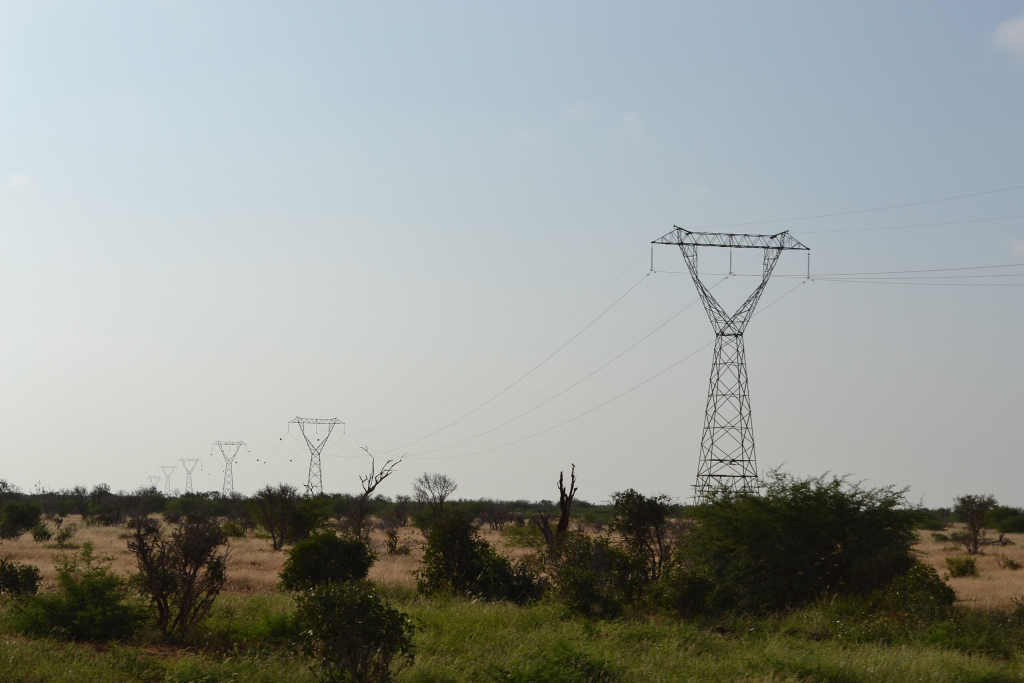


Kenya’s energy sector is a crucial pillar for its development, with a strong focus on renewable energy sources. The country has made significant strides in expanding its electricity production and consumption, especially from geothermal, hydroelectric, and wind power. However, challenges persist, especially with reliance on petroleum imports and deforestation. With the government’s ambitious plans to transition to green energy and build a sustainable energy future, Kenya’s energy landscape is evolving rapidly.
Current Energy Sources
As of 2024, Kenya’s installed electricity capacity stands at 3,778.5 MW, with a generation mix dominated by renewable sources. Here’s a breakdown of the electricity generation by source:
| Source | Installed Capacity (MW) | Percentage of Generation |
|---|---|---|
| Geothermal | 943 | 26.37% |
| Hydro | 872.4 | 29.7% |
| Wind | 436.1 | 12.19% |
| Thermal | 636 | 17.78% |
| Solar | 443 | 12.38% |
| Bioenergy | 163.8 | 4.58% |
| Total | 3778.5 | 100% |
Kenya is notable for being Africa’s largest producer of geothermal energy. The country has a tremendous geothermal energy potential, estimated to produce 10,000 MW. The Lake Turkana Wind Power project, Africa’s largest wind farm, opened in 2019, signaling Kenya’s strong push towards renewable energy.
Geothermal Energy
Kenya’s geothermal power plants play a pivotal role in the country’s electricity generation. The country has the second-largest geothermal capacity in the world, only behind Iceland. Geothermal energy, with its low environmental impact, provides reliable baseload power. The government aims to expand geothermal capacity to 5,000 MW by 2030.
Kenya Electricity Generating Company (KenGen) and the Geothermal Development Company (GDC) are the primary entities driving the country’s geothermal projects. This renewable source is expected to reduce reliance on hydropower and thermal energy, which are vulnerable to climate change.
Hydroelectric Power
Hydroelectric power has been a dominant source of energy in Kenya, contributing about 29.7% to the electricity grid. The country has several key hydropower plants, including those along the Tana River and other major water sources. However, climate variability and changing weather patterns have raised concerns over the sustainability of hydroelectric power in the country, with droughts significantly impacting hydropower generation.
Wind and Solar Energy
Wind and solar energy are emerging as key players in Kenya’s renewable energy mix. The Lake Turkana Wind Power project is the largest in Africa, contributing 12.19% of the total generation capacity. The government is also focusing on increasing solar power generation, which now contributes 12.38% to the energy mix. With vast solar potential, Kenya is well-positioned to harness this resource for both rural electrification and urban consumption.
Challenges and Petroleum Dependency
While Kenya is making strides in renewable energy, it still faces significant challenges in meeting the energy needs of its growing population. Petroleum imports are one of the country’s largest energy expenditures. In 2011, Kenya relied on petroleum imports for 42% of its energy needs, a figure that has likely risen in recent years as fuelwood shortages have worsened.
Kenya’s petroleum consumption has also been steadily rising, with consumption reaching 2,480 megalitres of diesel and 1,672.8 megalitres of refined petrol in 2017. The demand for petroleum continues to grow, primarily driven by transportation and industrial sectors.
Carbon Emissions and Environmental Impact
Kenya emits a relatively small percentage of the world’s carbon dioxide, contributing only 0.03% of global emissions. However, the country faces challenges related to deforestation and land degradation, mainly due to high demand for fuelwood. The deficit in fuelwood supply, standing at 2 million tonnes per year, has led to increasing deforestation, exacerbating environmental concerns like desertification and climate change.
Future of Kenya’s Energy Sector
The government of Kenya has laid out an ambitious vision for the future energy sector, with Vision 2030 focusing on a sustainable and green energy future. Here are the major projections for the future:
| Year | Demand (MW) | Capacity (MW) |
|---|---|---|
| 2025 | 3,500 MW | 5,000 MW |
| 2030 | 15,000 MW | 19,201 MW |
Kenya is also exploring nuclear energy to diversify its power mix. The Kenya Nuclear Electrification Board (KNEB) aims to establish a 1,000 MW nuclear plant by 2027. While this is an ambitious target, it would provide clean, reliable, and baseload power for the country.
Rural Electrification and Regional Cooperation
As of 2021, 76.5% of Kenya’s population had access to electricity, one of the highest rates in Sub-Saharan Africa. The rural electrification program continues to play a key role in expanding electricity access to remote areas.
Kenya is also part of the Eastern Africa Power Pool (EAPP), a collaborative initiative aimed at integrating electricity markets and improving the region’s energy infrastructure. Kenya’s ongoing efforts to connect to Ethiopia’s power grid and other neighboring countries will help ensure a stable supply of electricity in the region.
Conclusion
Kenya’s energy sector has made tremendous progress in the last few decades, especially with the adoption of renewable energy. The country is now poised to lead in geothermal power production and is expanding its wind and solar energy capacity. However, challenges such as petroleum dependency, climate variability, and deforestation still need to be addressed. With its Vision 2030 goals, Kenya is positioning itself as a regional leader in clean, sustainable energy production for both domestic consumption and regional exports.